Hatay Archaeology Museum
Türkiye's great mosaic collection, world's largest single Roman mosaic on display again - the building is still partly rebuilt.
Enough context, no spoilers
Why it matters
The museum holds an outstanding collection of Roman and Byzantine floor mosaics from Antioch and its villas, including a single 1,050m2 mosaic uncovered in 2010. The mosaic galleries reopened June 2024, largely undamaged by the 2023 earthquake; the main building suffered heavier damage and remains under phased reconstruction, full reopening targeted for late 2026 but unconfirmed.
What to know before you go
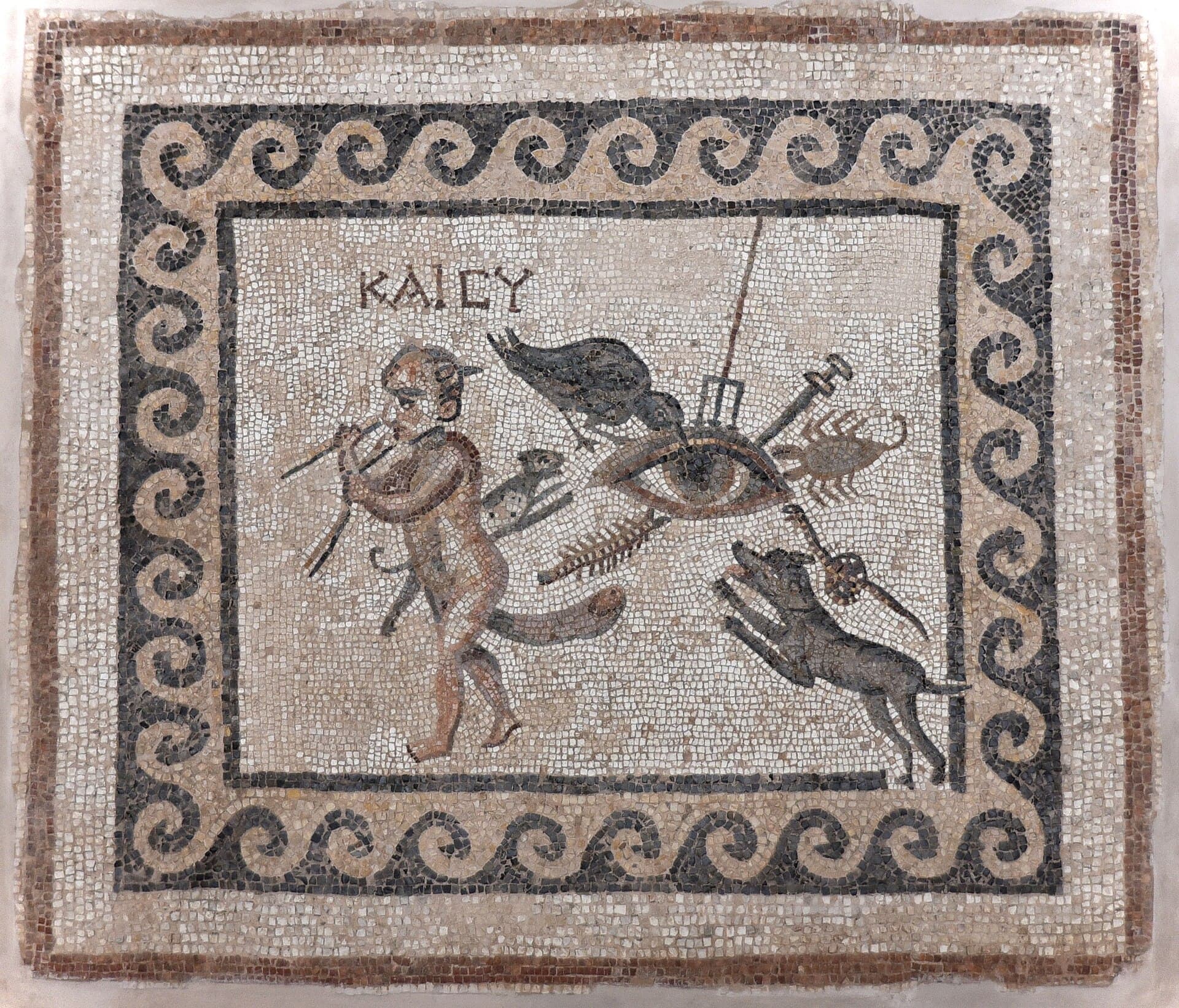
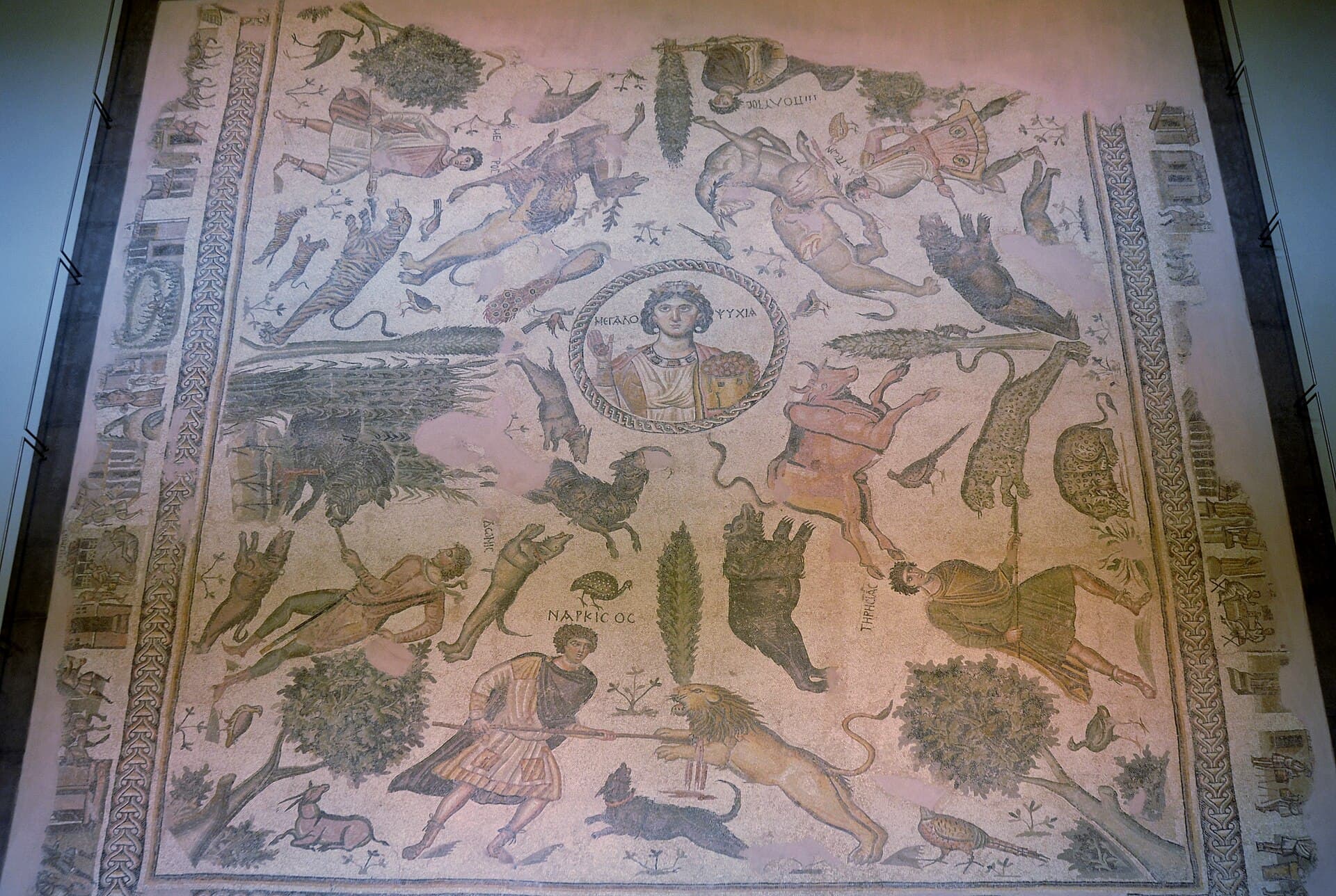
Antioch's mosaics are one of the reasons this city matters to art history independent of anything else on this list, and the good news - genuinely rare among this guide's Hatay entries - is that most of the collection survived the 2023 earthquake essentially intact. Roman and early Byzantine Antioch was wealthy enough, and its villa culture developed enough, that its floor mosaics reached a scale and technical sophistication rivalled by few other cities in the empire; excavations in and around modern Antakya through the 20th and 21st centuries recovered an exceptional run of them, including a single continuous mosaic floor of roughly 1,050 square metres uncovered in 2010, regularly described as the largest such single-piece mosaic known. The collection includes an apotropaic 2nd-century floor panel known as the Evil Eye mosaic - a striking, almost cartoonish image of a cursed eye under attack from various weapons and animals, meant to ward off envy from a room's occupants - and the large-scale Megalopsychia Hunt mosaic, recovered from a villa at Yakto near ancient Daphne, depicting hunting scenes across a substantial floor area. What makes visiting this museum honestly complicated right now is that the mosaic galleries and the main museum building took very different damage in 2023: the mosaics themselves, being floor-mounted and structurally simple compared to the building around them, survived essentially undamaged, and that gallery reopened to visitors in June 2024. The building's other wings and its main structure took heavier damage and remain under phased reconstruction, with the Ministry of Culture targeting full reopening by the end of 2026 - a projection, not a confirmed completion date at the time this guide was written. Go for the mosaics specifically, expect a partial museum rather than its full pre-earthquake scope, and treat any specific reopening date you read elsewhere as provisional until you can confirm it close to your actual travel dates.