Zeugma Mosaic Museum
The world's largest mosaic museum, holding Roman pagan mythological floors rescued from the ancient city of Zeugma before a dam flooded it.
Enough context, no spoilers
Why it matters
Zeugma was a Roman city on the Euphrates, prosperous for its river-crossing trade. When the Birecik Dam threatened to flood the site in 2000, rescue excavations recovered dozens of mosaic floors from wealthy Roman villas, mostly depicting Greco-Roman myth. The Zeugma Mosaic Museum opened in Gaziantep in 2011 to house them, widely described as the world's largest mosaic museum by covered area.
What to know before you go
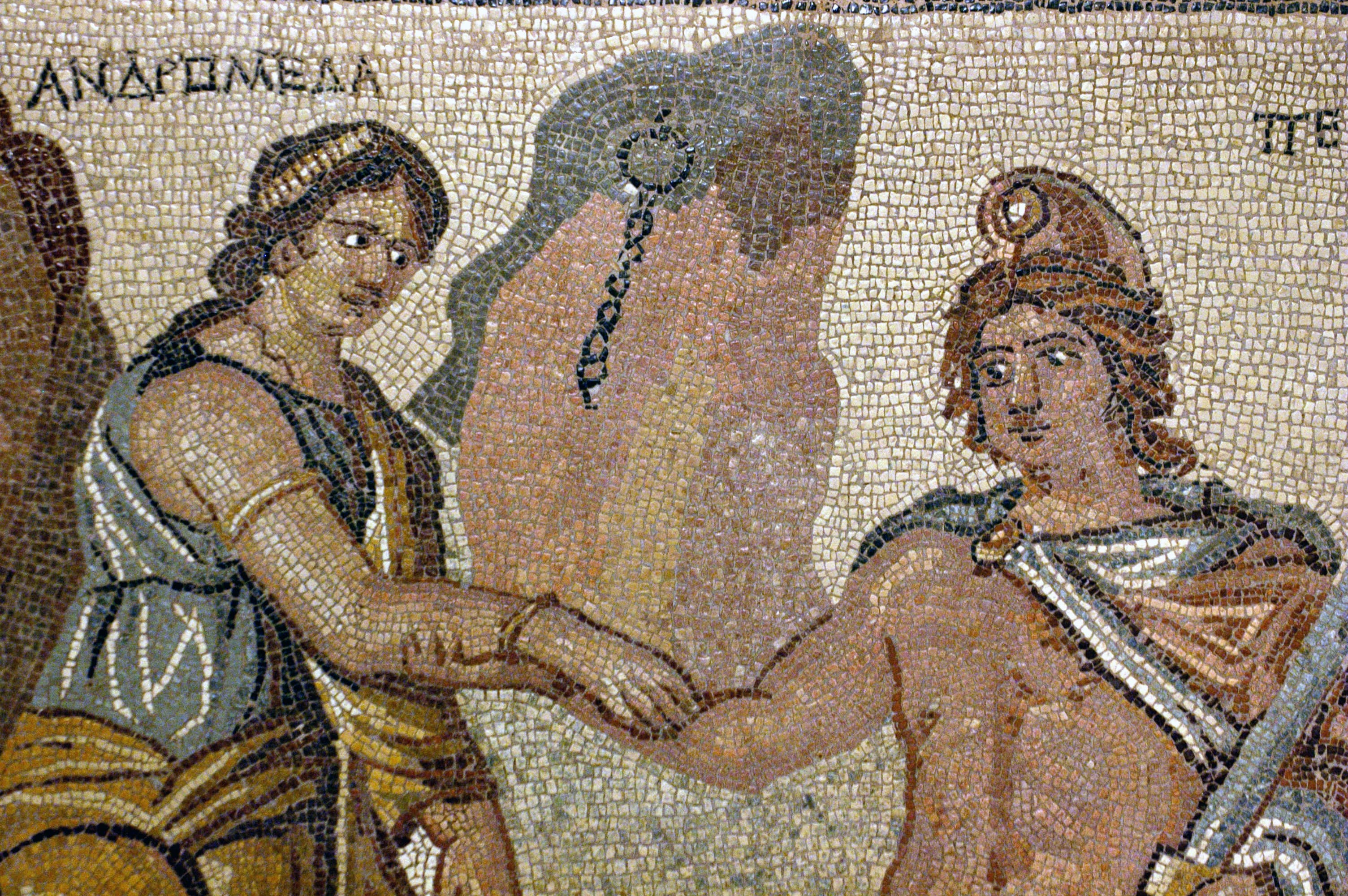
Zeugma sat on the west bank of the Euphrates, a Hellenistic foundation that grew wealthy under Roman rule as a garrison and crossing point on the river. Its Roman-era villas were floored with elaborate mosaics depicting Greco-Roman myth rather than any Christian or Islamic iconography — Oceanus and Tethys, Poseidon, Dionysos, and the personified Euphrates all appear, alongside genre and portrait scenes. When Turkey's Birecik Dam began threatening to submerge part of the ancient city in 2000, an international rescue excavation raced to lift as many mosaic floors as possible before the water rose, recovering room-sized panels along with wall frescoes and other finds.
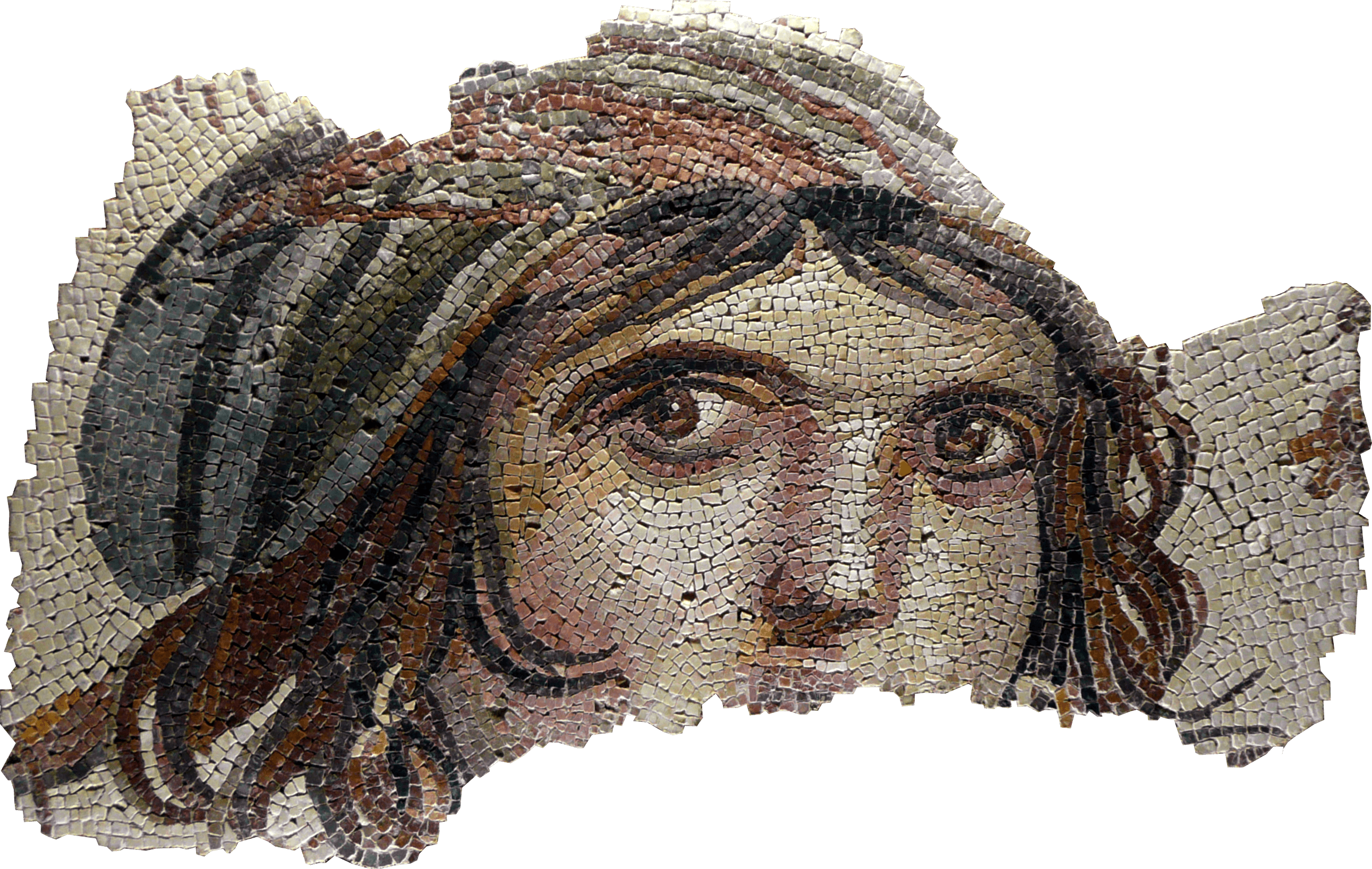
The Zeugma Mosaic Museum opened in Gaziantep in 2011, purpose-built to display these floors close to their original scale, with facsimile floor mosaics visitors can walk beside rather than only view from a rail. Its single most photographed piece is the so-called "Gypsy Girl," a fragment of a woman's face notable for the intensity of her painted eyes — her identity is disputed among scholars (some read her as a maenad or another mythological figure rather than a genre portrait), but she has become the museum's emblem.
Budget at least 90 minutes to see the main mosaic halls properly; the museum is large, air-conditioned, and easy to combine with a stop at the adjacent Rhoemetalces Tomb or a walk into Gaziantep's old town afterward.