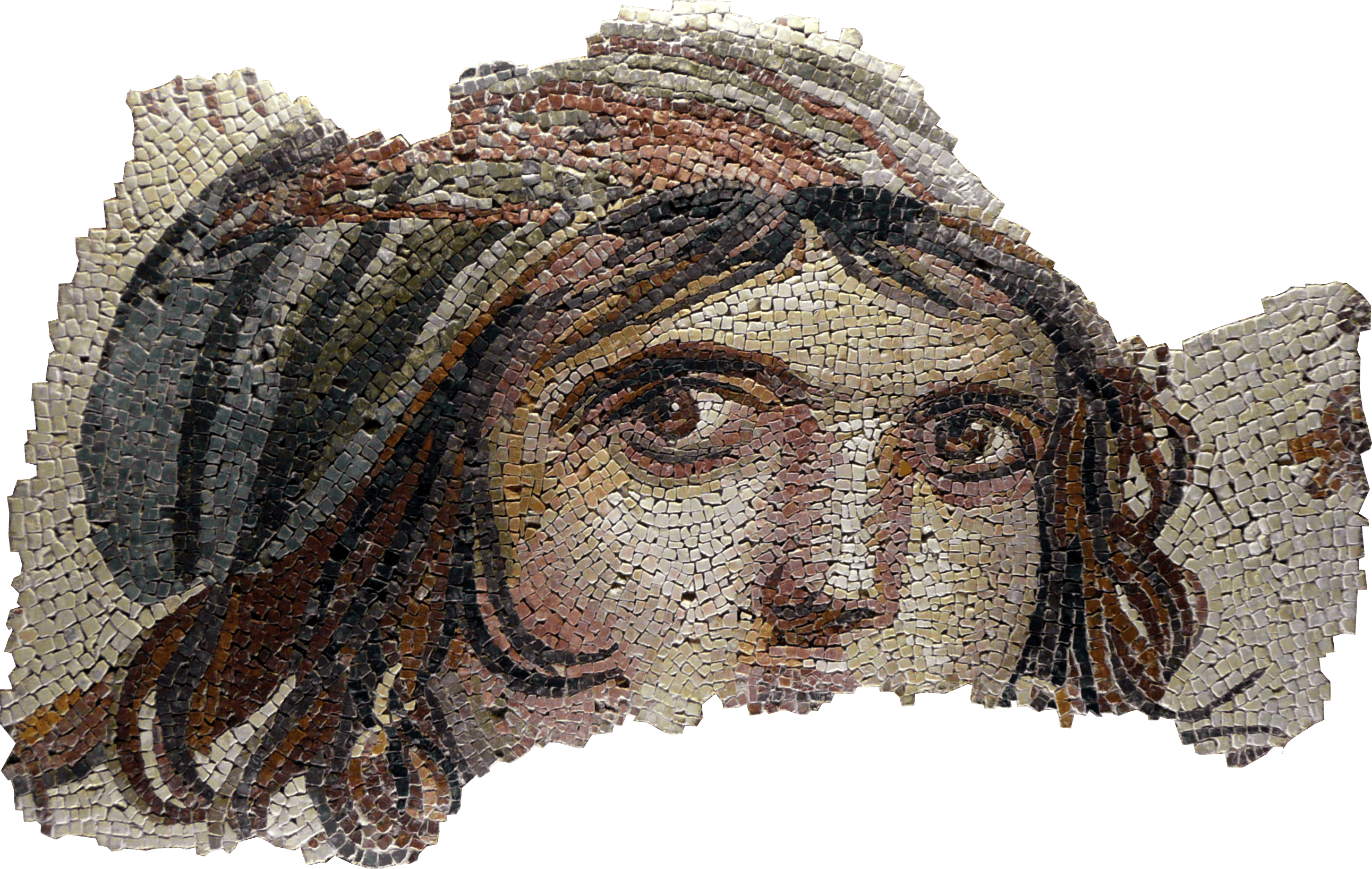
Gaziantep pairs the Zeugma Mosaic Museum's rescued Roman mosaics with a UNESCO-recognised food culture — baklava, pistachios, and a copper-and-spice bazaar beneath a battered but historic citadel.
Shape your stay
Give Gaziantep enough room.
Start with the time this destination realistically needs, then choose the details that make it yours.
Start with the essentials, add what genuinely interests you, and leave the rest for another visit. Every place includes a concise story, practical timing, a Maps link, and a one-tap route planner action.
Make the route work
Anticipate the practical details.
Getting there
Gaziantep Oğuzeli Airport (GZT) has frequent domestic flights to Istanbul (both IST and SAW) and other Turkish cities on Turkish Airlines, Pegasus and AJet, plus a smaller number of European routes. Intercity buses (otobüs) also connect Gaziantep to most major Turkish cities from the city's otogar.
Getting around
The Zeugma Mosaic Museum, the citadel and the old bazaar quarter around Bakırcılar Çarşısı are all within a compact central area, walkable or a short taxi ride apart. Ride-hailing and metered taxis are widely available; the city also has a tram line (Gaziray/tram) linking the centre to outer districts.
Money
Carry a payment card and some Turkish lira for the bazaar, small eateries and baklava shops, many of which are cash-preferred. Museum admission and Müze Kart pricing can change, so confirm the current rate locally.
Connectivity
Mobile coverage is reliable throughout the city centre. As in the rest of southeastern Türkiye, coverage can thin out on rural roads toward smaller towns, so download offline maps before day trips.
Etiquette
Gaziantep is a religiously and culturally conservative city; dress modestly, especially around mosques and in the older bazaar neighbourhoods. Bargaining is expected in the copper and spice bazaars but keep it good-natured.
Safety and comfort
Gaziantep is a large, well-visited city with normal urban precautions. It sits close to Türkiye's border with Syria and was heavily affected by the February 2023 earthquakes — some historic buildings, including parts of the citadel, underwent long restorations as a result. Check your government's current travel advisory for this border region before booking, and expect ongoing repair work at some historic sites.
The world's largest mosaic museum, holding Roman pagan mythological floors rescued from the ancient city of Zeugma before a dam flooded it.
Zeugma was a Roman city on the Euphrates, prosperous for its river-crossing trade. When the Birecik Dam threatened to flood the site in 2000, rescue excavations recovered dozens of mosaic floors from wealthy Roman villas, mostly depicting Greco-Roman myth. The Zeugma Mosaic Museum opened in Gaziantep in 2011 to house them, widely described as the world's largest mosaic museum by covered area.
Paid entry; Müze Kart accepted
100 minLarge museum — plan for at least 90 minutes to see it properlyCan be busy with tour groups midday
Look for: The "Gypsy Girl" mosaic, the museum's best-known image, plus large mythological floor mosaics of Oceanus and Tethys, Poseidon, and the Euphrates river god, several with matching fresco fragments displayed alongside.
Accessibility note Modern, purpose-built museum with flat floors and lifts; among the more wheelchair-accessible sites in the region.
A circular citadel rooted in Roman times, rebuilt by Byzantine Emperor Justinian, badly hit by the 2023 earthquakes, under long restoration.
Gaziantep Castle stands on a mound occupied for millennia; the circular fortification largely dates to a 6th-century rebuild under Byzantine Emperor Justinian, with gate towers added by the Ottomans in the 16th century. It played a defensive role in the Turkish War of Independence and later housed a panoramic museum on that history. The February 2023 earthquakes severely damaged it; restoration has continued since.
40 minSeverely damaged in the February 2023 earthquakes; restoration has been ongoing for years and site access/hours should be confirmed locally before visiting
Look for: The circular curtain wall and towers overlooking Gaziantep's old town, and the surrounding streets of the historic bazaar quarter below.