Saklıkent Gorge
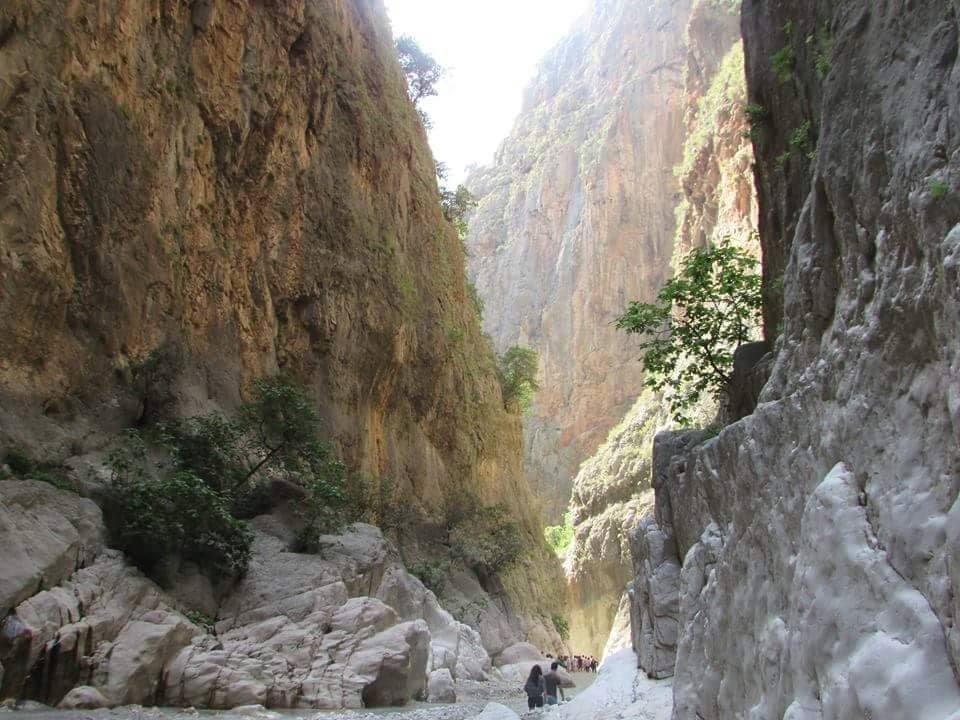
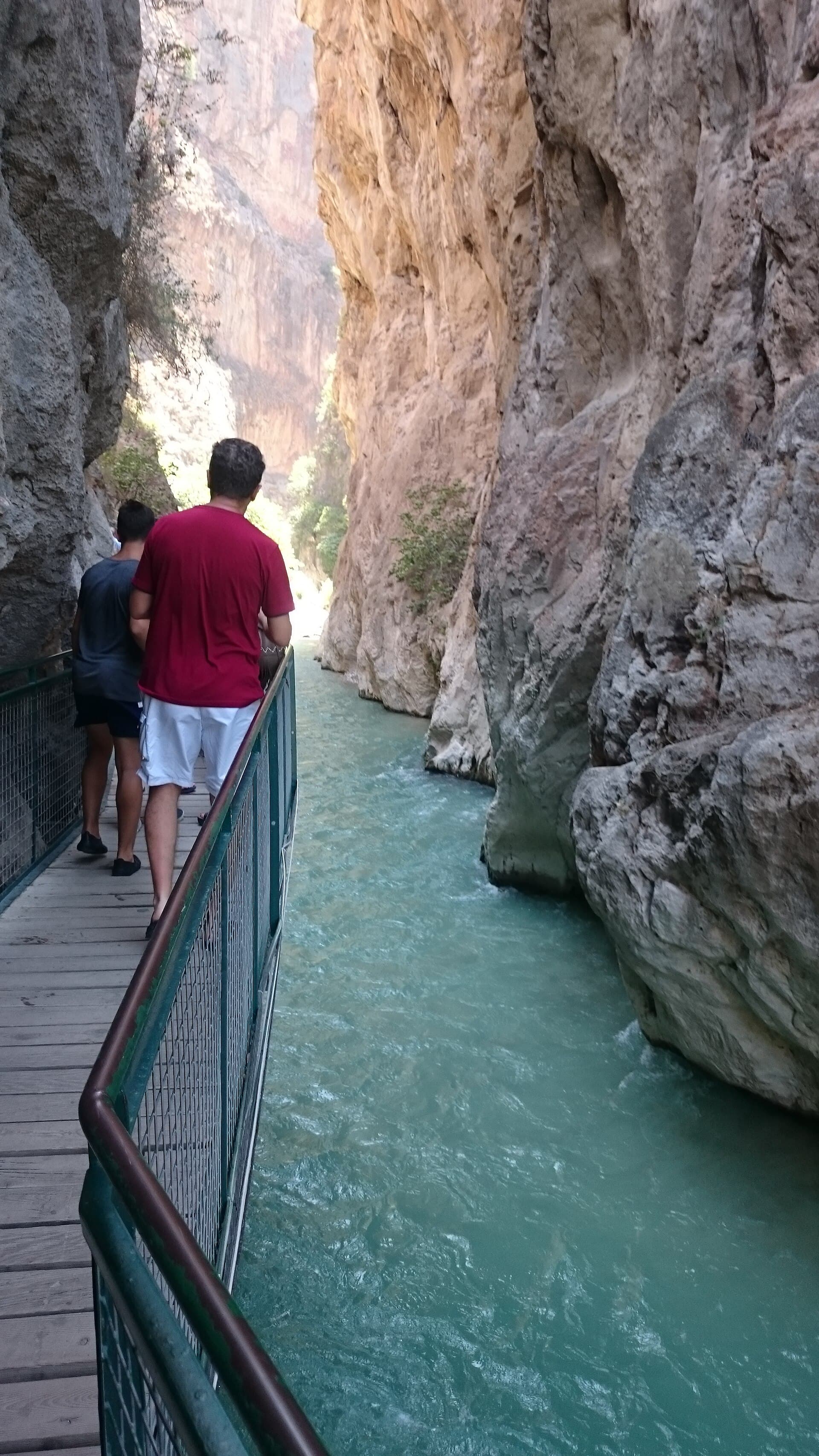
An 18km, 300m-deep fault-line gorge — but the real visit is the first kilometre: a walkway bolted to the cliff above glacial meltwater.
Enough context, no spoilers
Why it matters
Cut by the Eşen River and its Kocaçay tributary through the Akdağlar range, ranked among the world's longer and deeper gorges. A wooden walkway carries visitors above the water from the entrance; restaurants on stilted platforms serve gözleme over the current. The maintained stretch runs roughly April to September.
What to know before you go
Saklıkent means "hidden city," and the name is really about the gorge, not a settlement — a fault-line crack in the Akdağlar range that runs 18 kilometres back into the mountains and drops 300 metres deep at its rim, carved by the Eşen River and its tributary Kocaçay over a very long time. Almost nobody sees the 18 kilometres. What you actually visit is the first stretch, roughly the front kilometre, and even that comes in two distinct parts. From the entrance, a wooden walkway is bolted directly onto the canyon wall above the rushing meltwater, built because the true riverbed underneath is not something you'd want to wade in every season — the water is glacial-cold year-round, a genuine shock on a 35-degree August afternoon, and strong enough after snowmelt or rain to be dangerous rather than refreshing. Restaurants on stilted platforms directly over the water sit at the entrance, serving gözleme within earshot of the current; it is touristy, and it is also a genuinely pleasant place to eat. Past the walkway, the canyon narrows and the maintained path ends: continuing means wading, sometimes waist-deep, between vertical walls that block most of the daylight, and this is where a local guide and rented water shoes stop being optional extras and start being the difference between a good afternoon and a bad one. The gorge is a seasonal site in practice even though it rarely posts a formal closure notice: the main walkway operates roughly April to September, water levels and access into the narrows shift after rain with no fixed schedule, and a late-season or winter visit can mean a much shorter walk than photographs promise. None of that is a reason to skip it — it's one of the more physically dramatic short excursions on this coast — but go in the first half of the day, expect wet feet regardless of what you plan, and don't push into the unmarked narrows without someone who knows current conditions.