Kayaköy
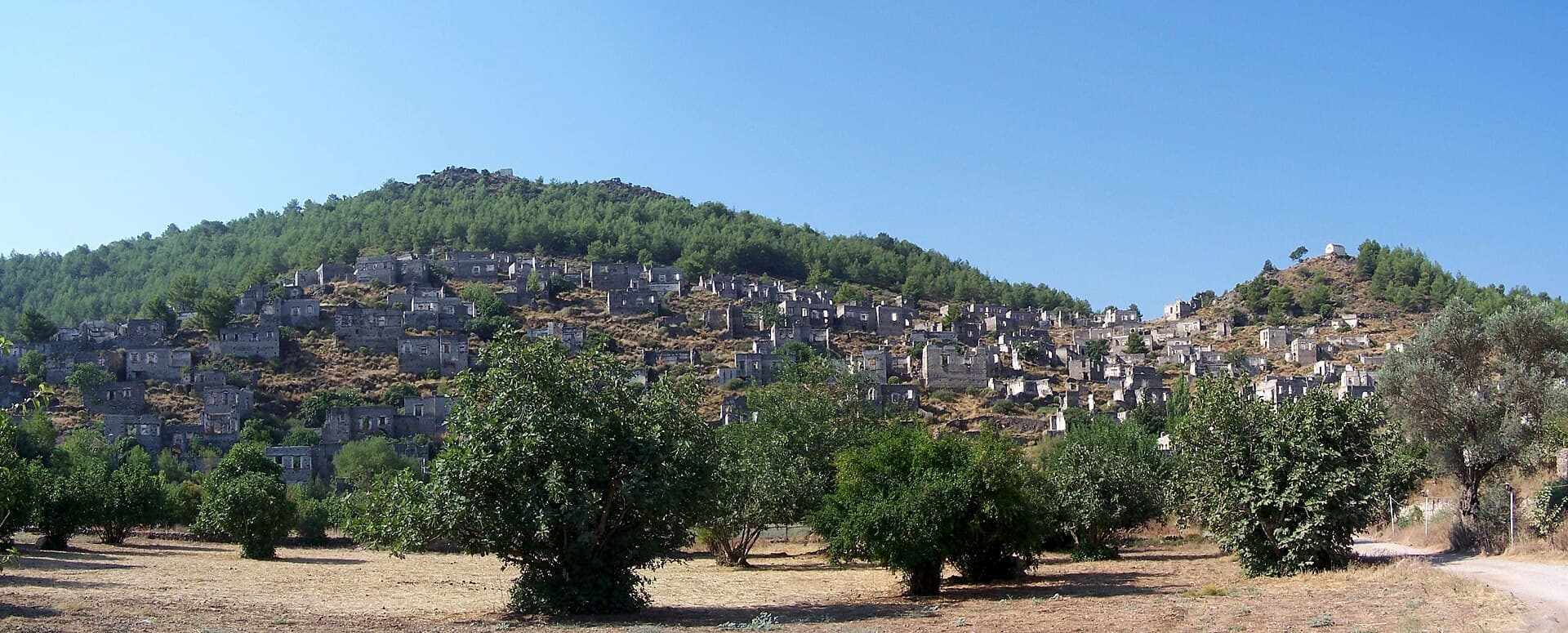
A Greek hillside town emptied by the 1923 exchange, finished off by the 1957 earthquake. Roughly 500 stone shells, still standing empty.
Enough context, no spoilers
Why it matters
Levissi held over 6,000 Greek Orthodox residents until the 1923 population exchange sent them to Greece; Muslim resettlers arriving from Greece found the terrain poorly suited to their farming and mostly left within years. The 1957 earthquake that flattened much of Fethiye brought down more of the already-empty houses. Now protected as a heritage and "peace village" site.
What to know before you go
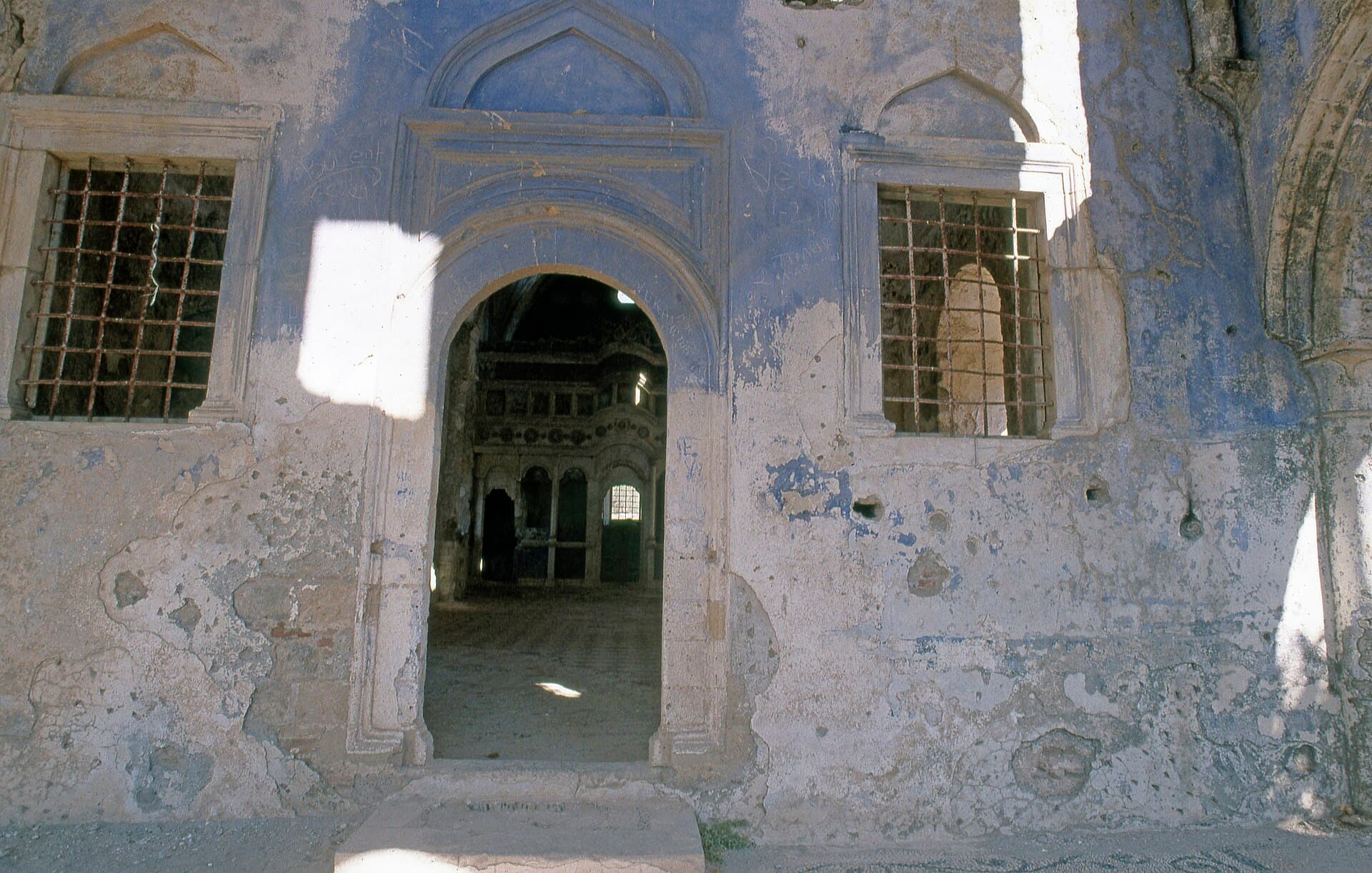
Kayaköy was abandoned twice, by two different sets of people, for two different reasons, and both matter to what you're actually looking at. Until 1923 this was Levissi, a hillside town of more than six thousand Greek Orthodox Christians who had lived here for generations, their houses stacked in tight stone terraces below two large churches. The compulsory population exchange that followed the Greek-Turkish war moved them to Greece that year and brought Muslim families from Greece and Macedonia the other way, under a treaty that treated both communities as interchangeable populations rather than people with a say in it. The families resettled here found stone houses built for a hillside economy — vineyards, small workshops — that didn't match the farming land available to them, and most left within a few years, some put off, contemporary accounts suggest, by the sheer eeriness of a town furnished with someone else's abandoned lives. What resettlement didn't finish, geology did: the 1957 earthquake that flattened most of Fethiye also brought down large sections of Kayaköy's already-empty houses. Nobody was living in them, so nobody rebuilt. What remains is roughly five hundred roofless stone shells running up the hillside in disciplined rows, with two churches still standing well enough to make out frescoed plaster and marble floor fragments, protected today as a heritage site and informally adopted as a "peace village" memorial to both communities. It rewards slow walking rather than a checklist: there is no single monument to aim for, only the accumulation of doorways, cisterns and the outline of a school, and the effect builds the longer you stay among them. Come in the morning or the last two hours before closing — the site is entirely without shade, stone holds the day's heat well into the evening, and by midday in summer it is genuinely uncomfortable underfoot as well as overhead. Wear shoes that can handle loose rubble and broken thresholds, and resist the urge, which the site clearly gets a lot of, to climb the taller ruined walls for a photo; they are unreinforced masonry standing on nothing, not a viewing platform.