Dardanelles Strait Crossing
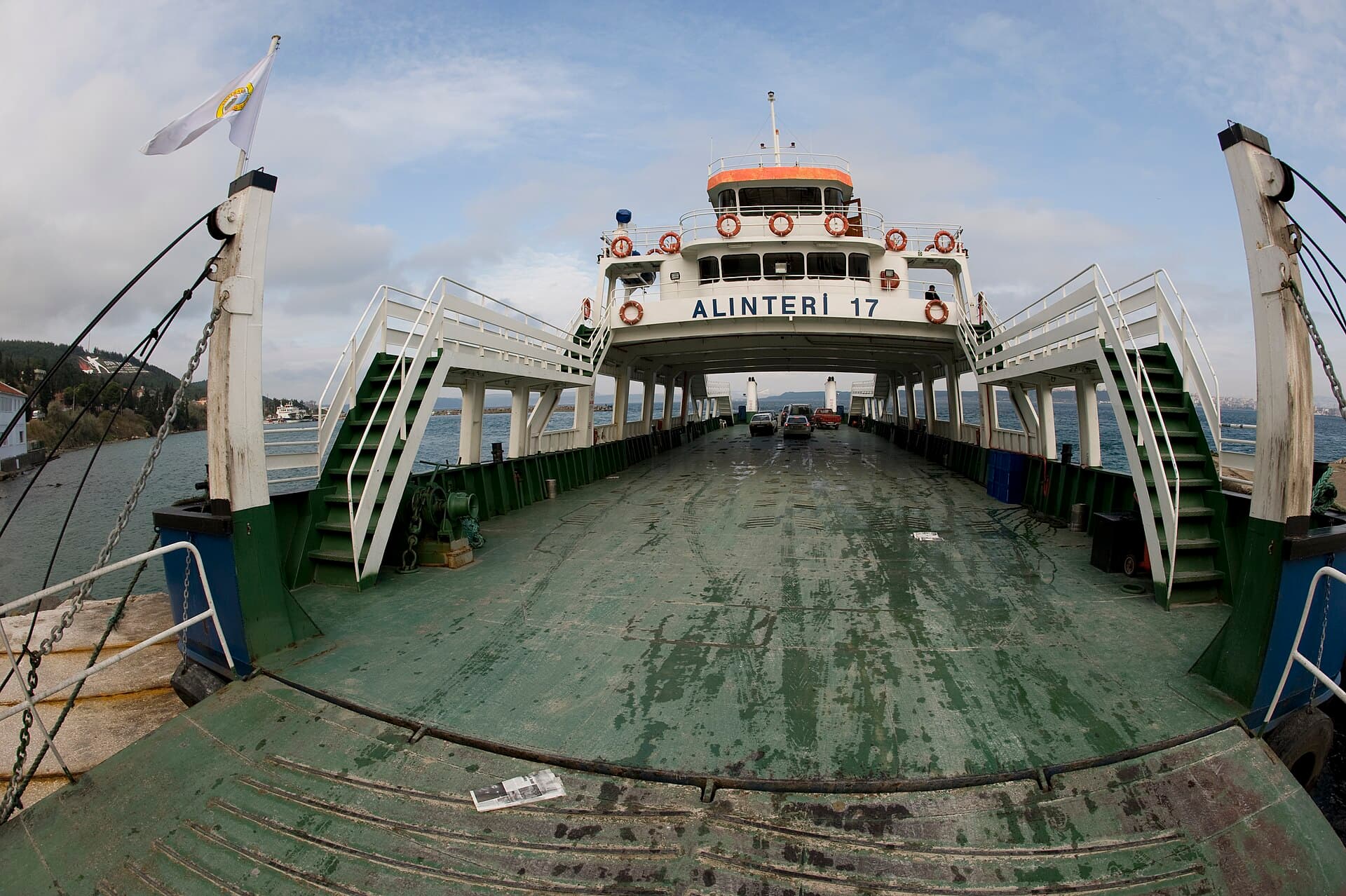
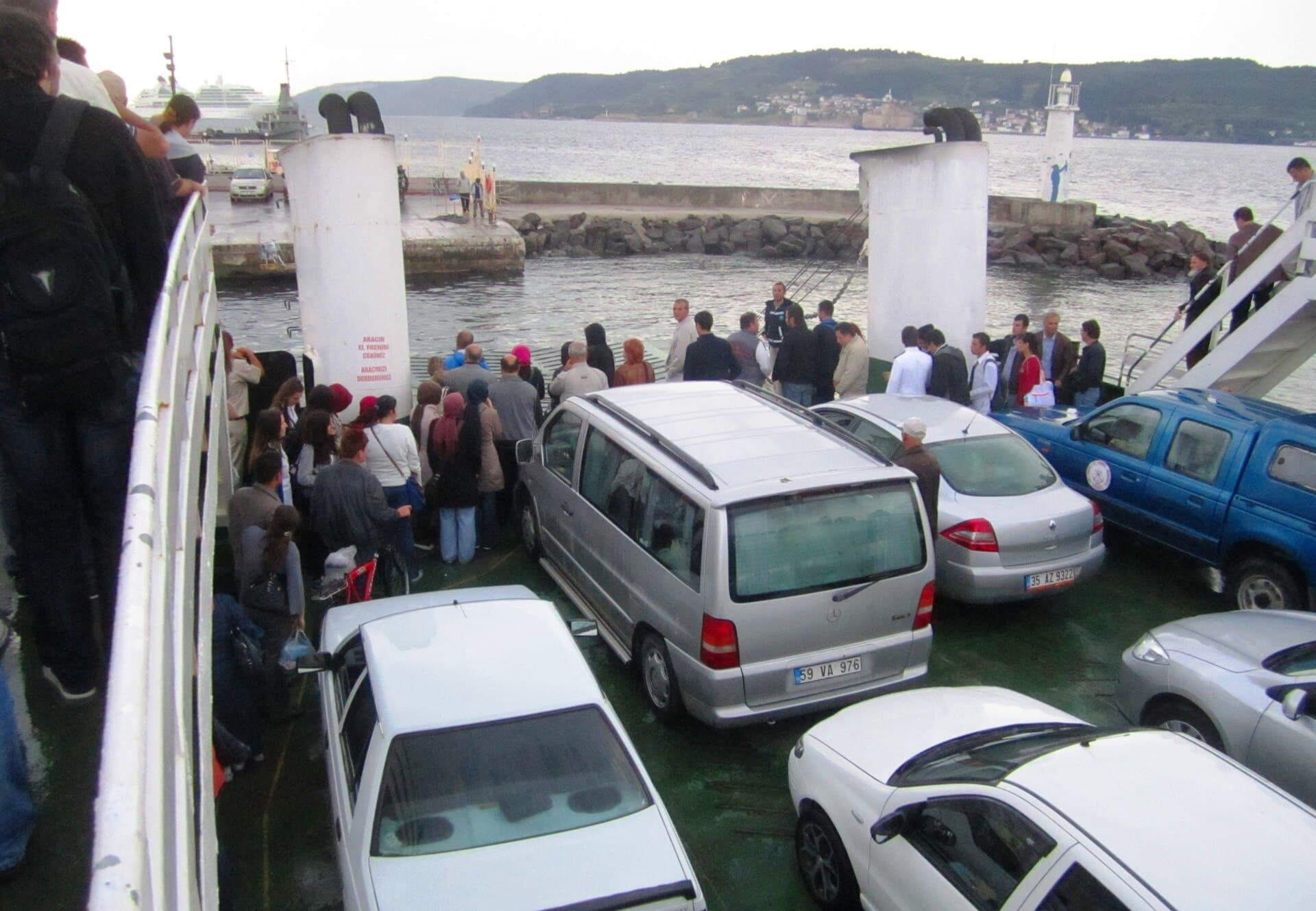
The strait narrows to under 1,300 metres here, and the car ferry crosses it in about 25 minutes — the cheapest, best view in Çanakkale.
Enough context, no spoilers
Why it matters
Xerxes bridged this strait with lashed boats in 480 BC to invade Greece, and Herodotus says he had it whipped after a storm broke the first attempt. In myth, Leander swam it nightly from Abydos to reach Hero at Sestos until he drowned; Lord Byron re-enacted the swim in 1810 and never let anyone forget it. GESTAŞ has run car and passenger ferries across the same crossing for decades.
What to know before you go
Everything about Çanakkale makes more sense once you've crossed the strait at least once, and the crossing itself is worth treating as an attraction rather than a logistics problem. The Dardanelles narrows to under 1,300 metres between Çanakkale and the Gallipoli peninsula, and GESTAŞ car ferries cover it in about twenty-five minutes, running close to round the clock. Buy a ticket at the terminal window, walk on, and stand at the rail rather than sitting inside — this is a working strait, not a scenic cruise, and the traffic is the point. Tankers and container ships queue mid-channel waiting their turn through one of the busiest shipping lanes on earth, funnelling everything moving between the Black Sea and the Mediterranean through a gap you could swim across on a calm day. People have. In Greek myth, Leander swam it every night from Abydos to reach the priestess Hero at Sestos, guided by a lamp in her tower, until a storm blew the lamp out and he drowned; she then threw herself from the tower rather than live without him. In 480 BC Xerxes bridged the same crossing with lashed boats to march an invasion force into Greece, and when a storm wrecked his first attempt, Herodotus reports that he had the strait itself whipped and cursed for its insolence — a detail historians still can't decide whether to read as literal or as later Greek mockery of Persian arrogance. In 1810 Lord Byron swam it in an hour and ten minutes, mostly to prove Leander's myth was physically possible, and wrote about the achievement for the rest of his life. None of that requires you to do anything except notice it while you're leaning on a rail with the wind coming off the water and Europe getting slowly bigger in front of you. Go once for a reason — a meal in Eceabat, a look at the Gallipoli side — rather than as a there-and-back loop; the crossing rewards actually arriving somewhere on the far shore, even if the battlefields themselves are a separate trip.