Eski Kaplıca (Old Thermal Bath)
A Byzantine empress reportedly bathed here before the Ottomans arrived — a working 44°C thermal hamam, not a spa with a borrowed history.
Enough context, no spoilers
Why it matters
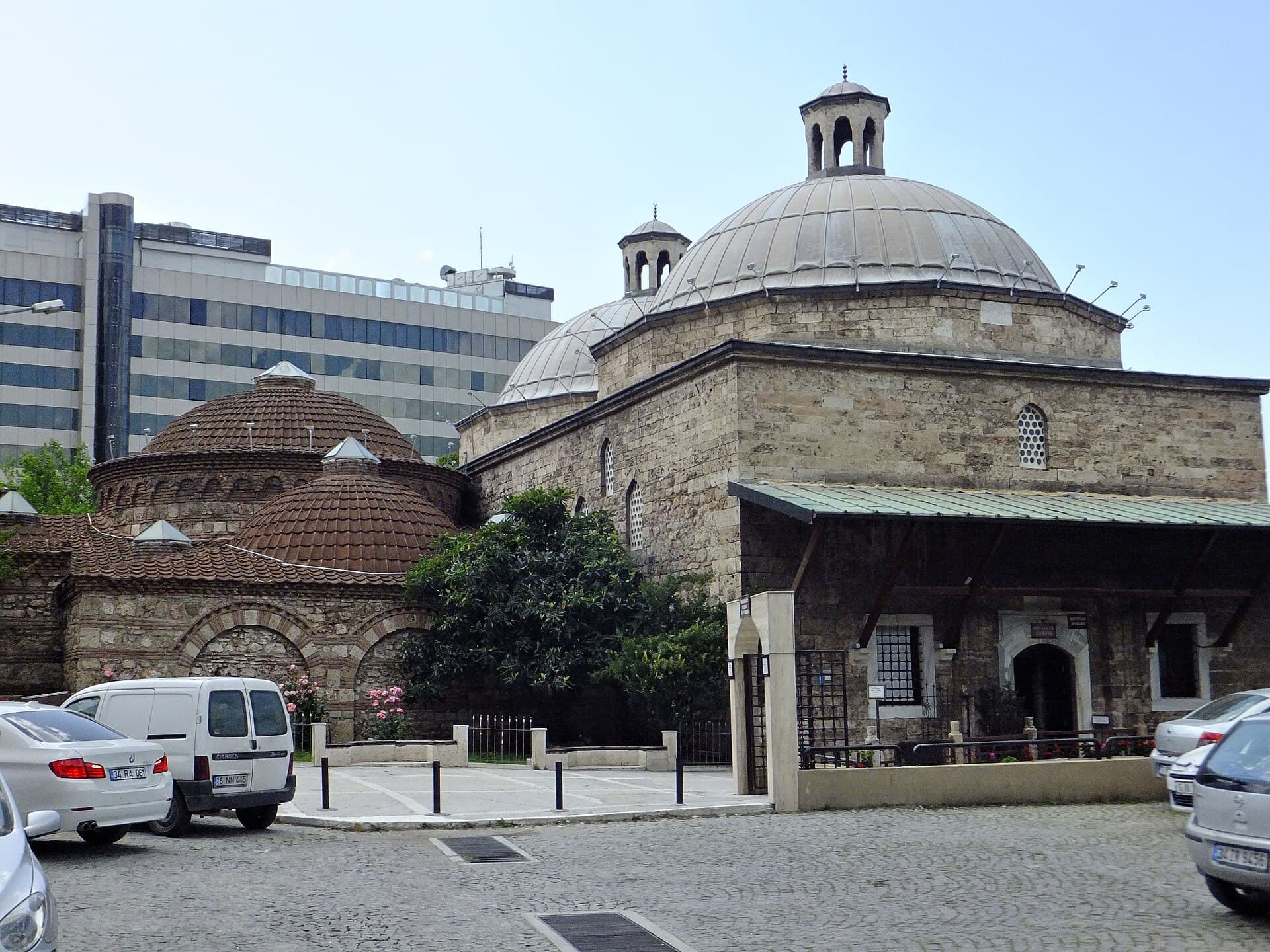
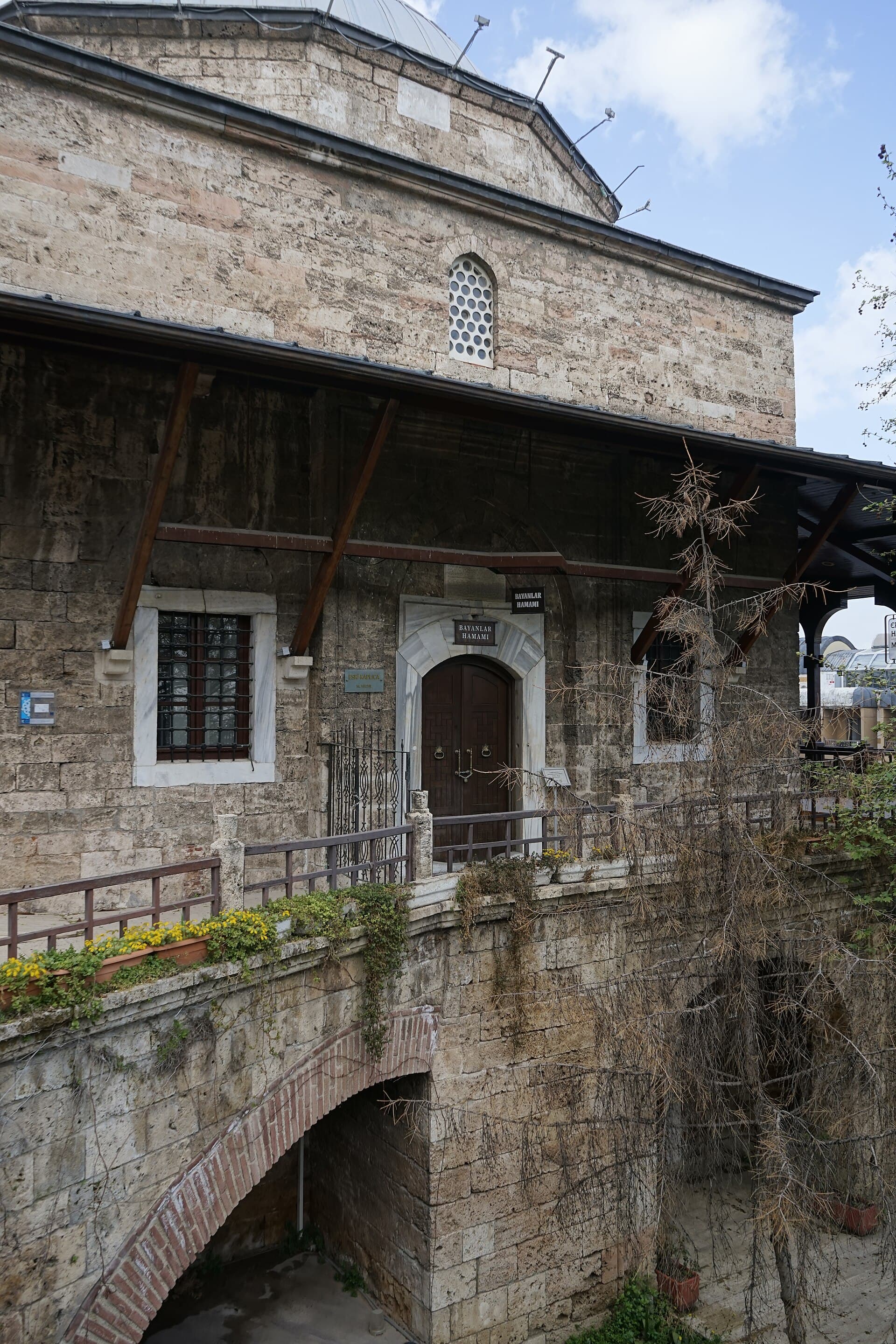
Thermal bathing at Çekirge, ancient Pythia, dates to at least the Roman period; Emperor Justinian built baths here in the 6th century, and legend ties the site to Empress Theodora. Rüstem Pasha, Süleyman the Magnificent's grand vizier and son-in-law, enlarged the existing bath in 1552 after the waters reportedly eased the sultan's gout. It has operated since, now attached to the Kervansaray Termal hotel.
What to know before you go
Bursa calls itself a thermal city as often as it calls itself Yeşil Bursa, "Green Bursa," and Eski Kaplıca — the Old Thermal Bath — is where that claim gets tested against something older than the Ottomans, older than Byzantium's churches, older than most of what else you'll see in the city. Çekirge, the district it sits in, was Pythia in antiquity, and thermal bathing here goes back at least to Roman times. Emperor Justinian built baths on this spot in the sixth century, part of a wider building programme that also gave Istanbul the Hagia Sophia, and local legend — not independently verifiable, but persistent and worth knowing — ties the site to his empress Theodora, said to have used these waters for her famous complexion. What you can actually verify is the Ottoman layer: in 1552, Rüstem Pasha, Süleyman the Magnificent's grand vizier and son-in-law, enlarged an existing bath here after the water reportedly helped the sultan's gout, and that expanded structure is substantially what still operates today, now run as part of the Kervansaray Termal hotel. Walk into the hot section and eight marble columns, Byzantine in origin, still ring the pool — a detail almost nobody points out, so look for it yourself. The water comes out of the ground at 44°C, hot enough that a first-timer should ease in rather than commit fully at once, and it has been used against skin conditions, rheumatism and general aches for as long as anyone kept records here. Treat a visit as what it actually is — a working Turkish hamam with an unusually deep pedigree, not a resort spa — and the etiquette follows the same rules as any historic hamam: separate sections for men and women, a private family option available for an extra fee if you'd rather bathe together, and the traditional kese scrub and massage sold separately from basic entry rather than included in it. Bring your own towel and flip-flops if you have a preference, though the hamam rents them. Current entry pricing wasn't something this research could pin down with confidence — hamam prices here move with the wider hotel's rates and aren't consistently published, so budget for a mid-range hamam visit and confirm the figure when you arrive or call ahead, rather than trusting an old number found online. Go in the late afternoon on a weekday if you can, when it's quietest, and don't rush it: an hour and a half is a reasonable minimum to actually unwind rather than just tick the box.