Karaada (Black Island)
A cave of warm mineral mud, boat-trip only — sold as a 'meteor crater,' which it isn't; the real geology is a fault line.
Enough context, no spoilers
Why it matters
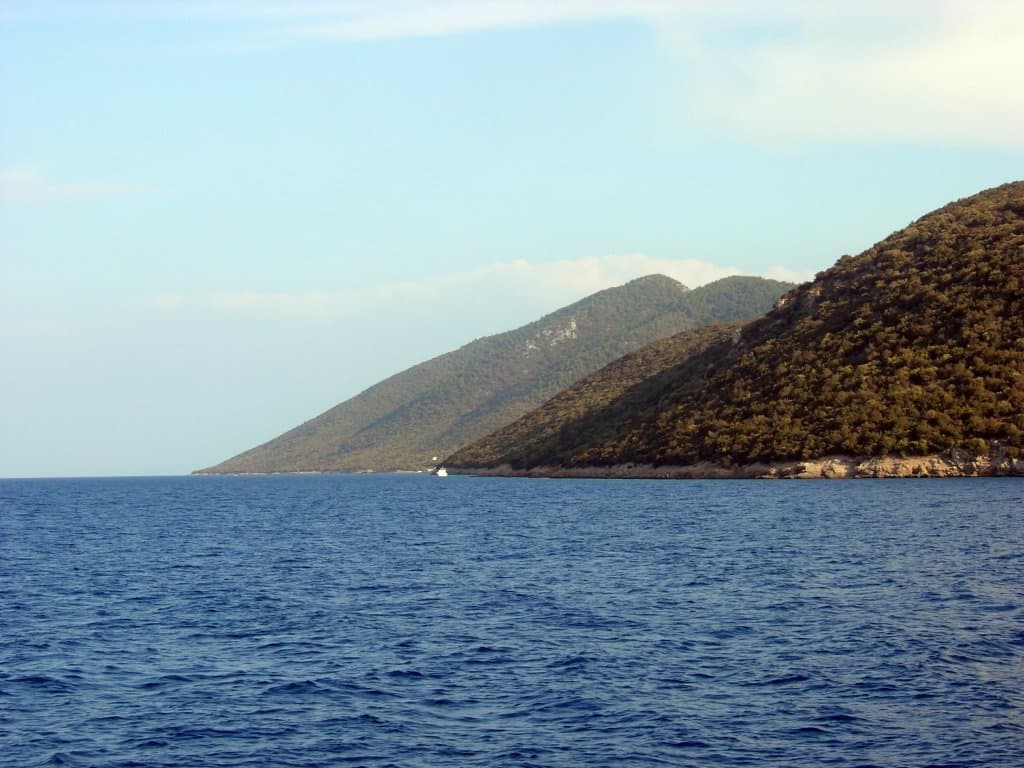
Known in antiquity as Arkonesos, Karaada was held by the Greeks until the Middle Ages, when it passed to the Knights of Rhodes along with Bodrum itself. Today it's a routine stop on Bodrum boat tours for its cave of naturally warm, mineral-rich mud and water, popularly but inaccurately marketed as a meteor impact crater — the area's geology is fault-related, tied to the same volcanic activity that heats it.
What to know before you go
Karaada gets sold on every boat-tour flyer in Bodrum with the same pitch: a "meteor crater," a hole supposedly blasted out by a falling rock thousands of years ago, now filled with healing mineral mud. It's a great story, boat crews tell it well, and it is very likely not true. Geological surveys of the Bodrum–Karaada area describe the island's features in terms of fault lines — the Karaada fault among several named ones in the surrounding geothermal field — not impact geology, and the word "rumoured" appears in the more careful write-ups of the meteor claim. What's actually happening is more mundane and, honestly, still worth the trip: this stretch of coast sits on geothermal activity, and the cave holds naturally warm water and soft, mineral-laden mud that people smear on themselves and let dry in the sun — the same basic appeal as any thermal spa, minus the marketing restraint.
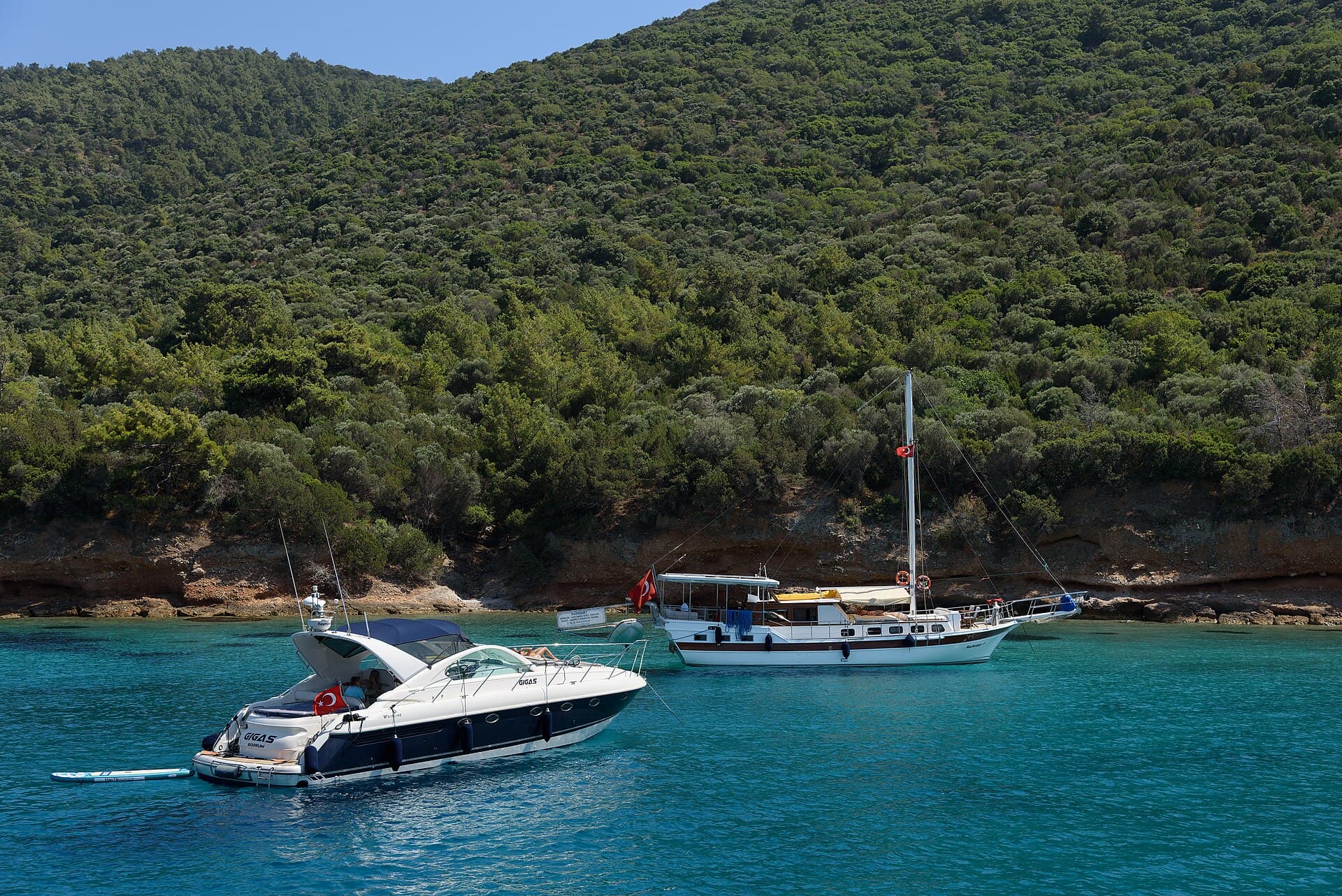
None of that makes the stop bad — it makes it worth doing with the right expectations. Karaada carries real, verified history of its own: known to the Greeks as Arkonesos, it stayed under Greek control until the Knights of Rhodes took it along with Bodrum in the 15th century, so the same institutional history that built the castle out of the Mausoleum's stones runs through this small island too. Today it exists almost entirely as a stop on half-day and full-day boat tours out of Bodrum or Gümbet, usually bundled with a couple of swimming coves and lunch on board — there's no way to reach it independently, and no facilities beyond the cave itself.
Go for what it actually is: a scramble up to a warm, muddy cave, a slightly absurd but genuinely fun photo, and a clean swim off the boat afterward, on a day that's mostly about being on the water rather than about any one stop. Book a tour with decent reviews for the boat and crew rather than one that oversells the crater story — the cave doesn't need embellishing to be worth an hour of anyone's afternoon.