Ayvalık Old Town
Walk streets built by a Greek Orthodox community forced out in 1923 - the stone houses and converted churches still stand untouched.
Enough context, no spoilers
Why it matters
Ottoman-era Ayvalık (then Kydonies/Aivalık) was an overwhelmingly Greek Orthodox town of some 34,000 people by 1914, its wealth built on olive oil. The 1923 population exchange under the Treaty of Lausanne resettled nearly all of them to Greece within a few years, and Muslim Turks from Lesbos, Crete and Thessaloniki took their place in the same streets and houses.
What to know before you go
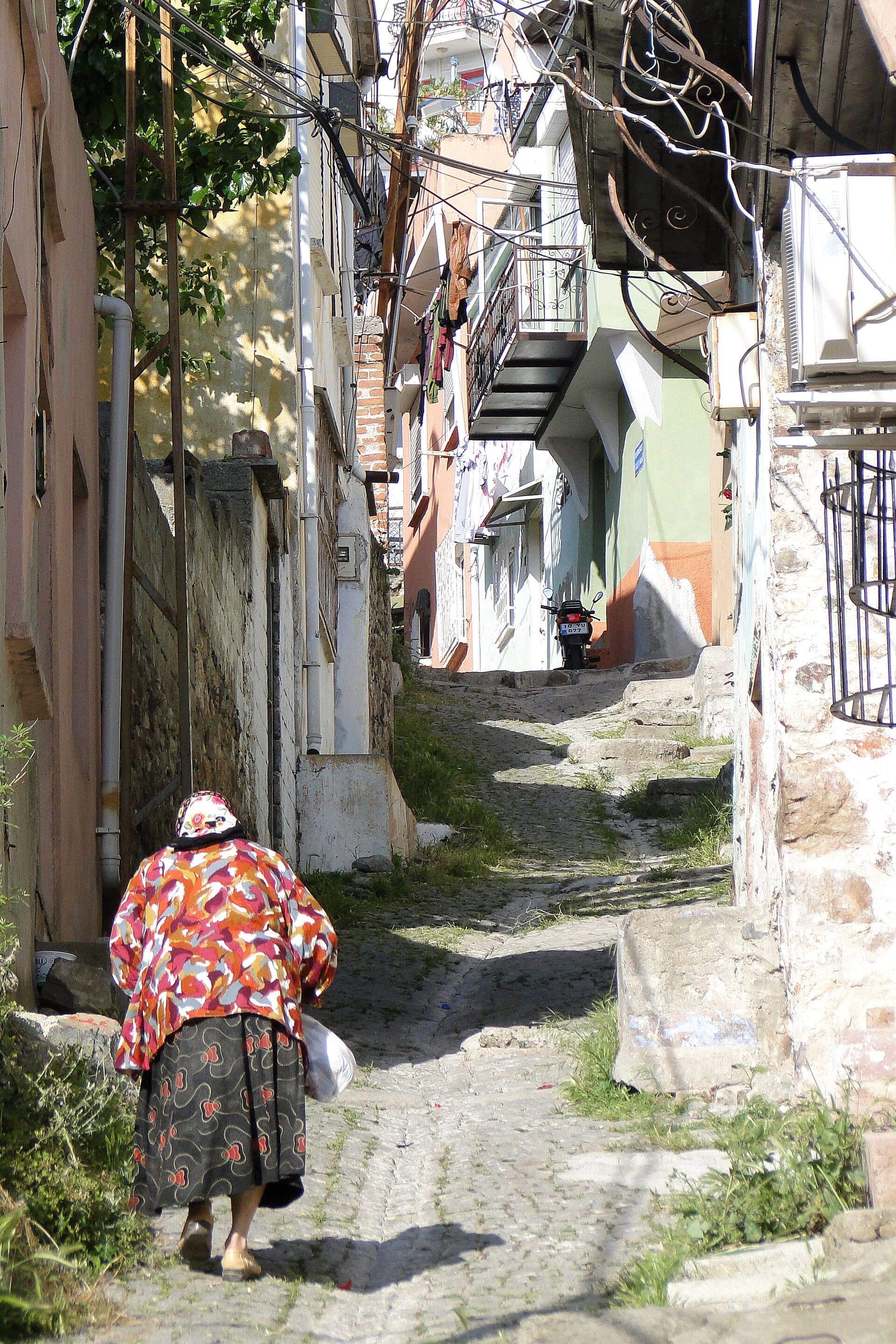
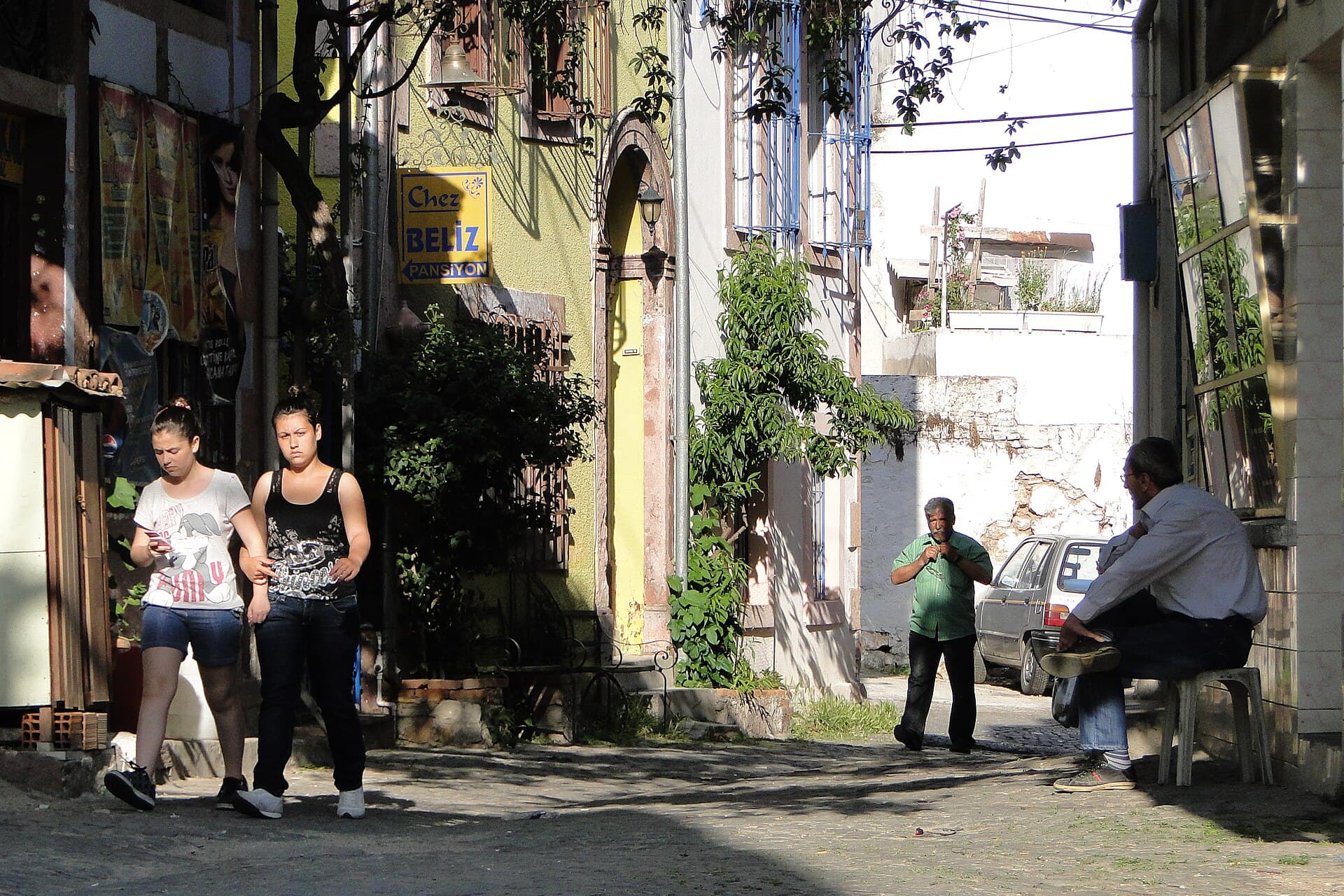
Ayvalık's old town is unusual among Türkiye's historic quarters in exactly how it got here: this isn't a district restored to evoke a vanished community, it's the actual built fabric that community left behind. Through the nineteenth century and into the twentieth, Ayvalık - then commonly written Aivalık or by its older name Kydonies - was one of the wealthiest Greek Orthodox towns on the Aegean, its money built on olive oil pressed and shipped from factories whose chimneys still punctuate the skyline between houses. By 1914 the town held roughly 34,000 people, the overwhelming majority ethnic Greek. That community did not choose to leave. The 1919-22 war and the compulsory population exchange that followed under the 1923 Treaty of Lausanne moved nearly the entire Greek Orthodox population out within a few years - to Lesbos and mainland Greece - and resettled Muslim Turks from Lesbos, Crete and Thessaloniki into the same houses, the same streets, the same town. The 1927 census recorded barely 16,837 residents, less than half the pre-exchange population, in the same physical town that had held 34,000 a decade earlier. Walk the old town today with that history in mind and the details read differently: cobbled lanes of two- and three-storey stone houses with wooden shutters and overhanging upper floors, built by families who never got to grow old in them; former Orthodox churches standing beside minarets, several converted directly into mosques after 1923, their stonework and proportions still visibly ecclesiastical even where interiors were altered. This isn't a museum quarter with explanatory plaques at every corner - it's a lived-in residential district where people still keep shops, run cafés and hang laundry between the historic facades, which is arguably truer to what a town actually is than a curated heritage zone would be. Spend unhurried time in the market squares and side streets rather than making a beeline for any single landmark; the old town's value is cumulative, not a checklist. Şeytan Kahvesi and the other historic coffeehouses along Alibey Camii Caddesi are a good anchor for a slow morning, and the working harbour at the district's edge - still ringed by olive-oil warehouses from the boom years - closes the loop on why the town looks the way it does.