Perge
Walk a Roman colonnaded street with its water channel still running, past a stadium that once held twelve thousand.
Enough context, no spoilers
Why it matters
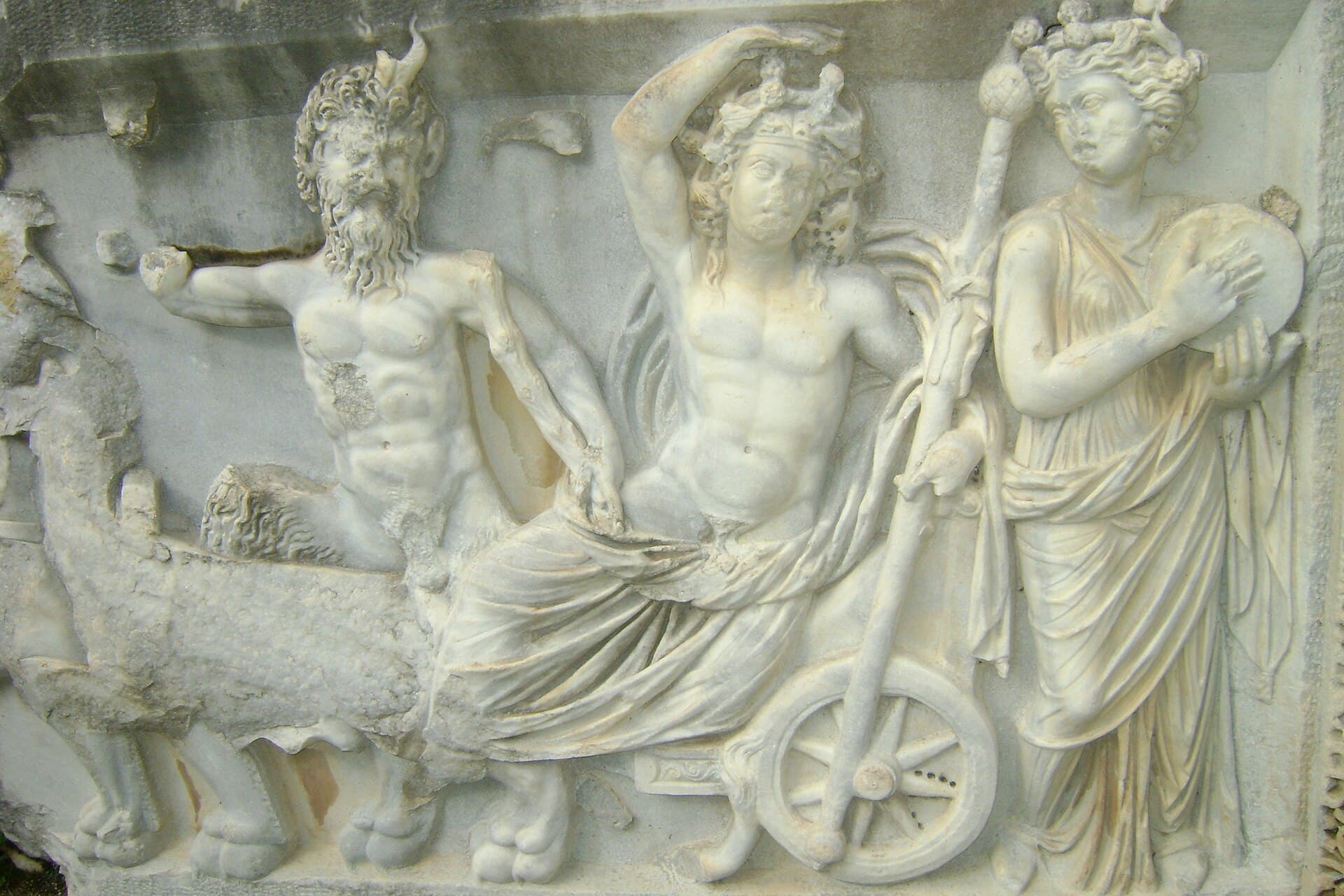
A leading city of Pamphylia, Perge claimed descent from Trojan-War heroes and flourished under Rome; St Paul preached here. Its glory is completeness: a Hellenistic gate with round towers, a colonnaded street with a central water channel, one of Anatolia's largest stadiums, a nymphaeum, agora and baths. Its finest statues, the Weary Herakles among them, are now in the Antalya Museum.
What to know before you go
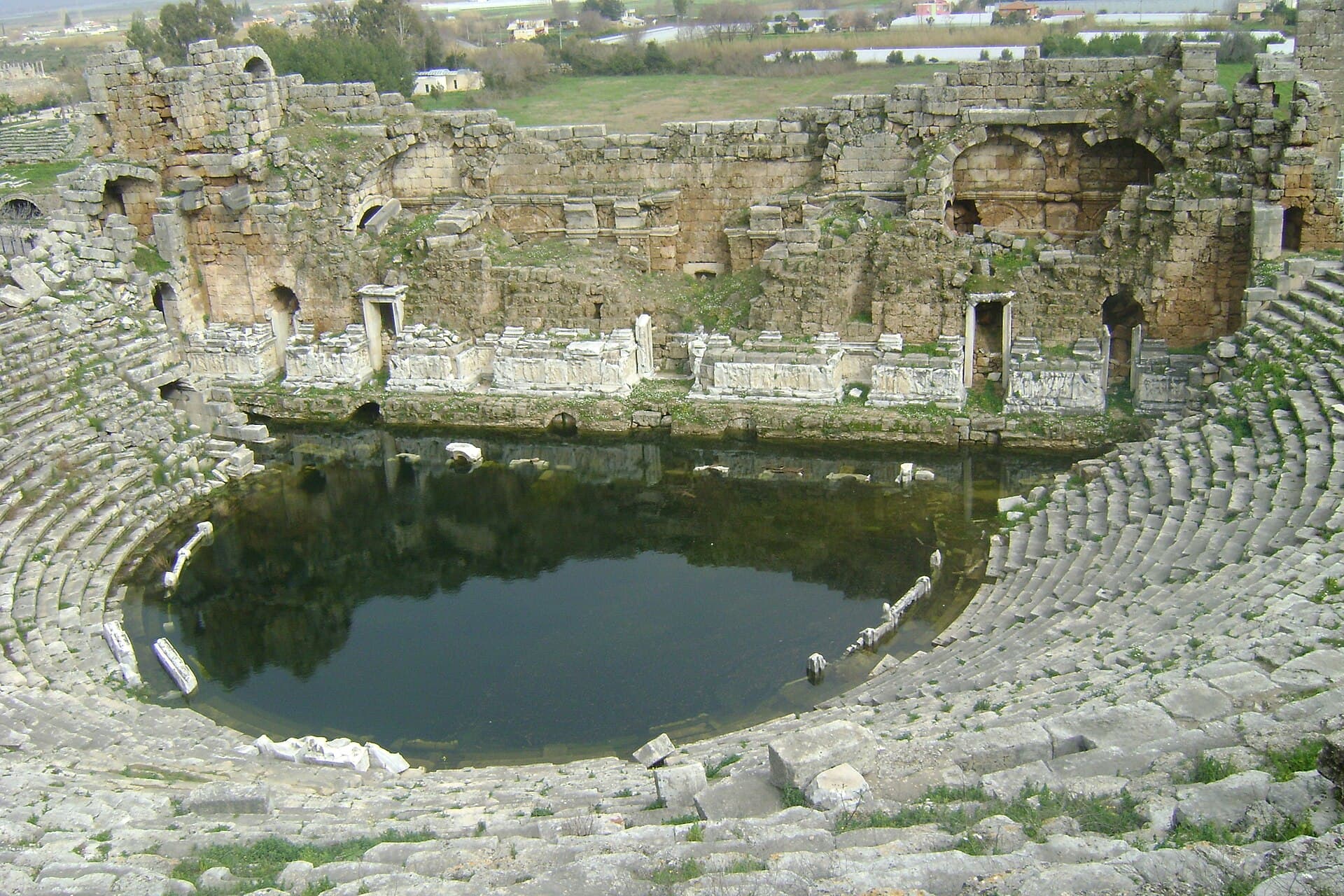
Give Perge a full two to three hours, because its value is exactly the thing a quick visit destroys: the slow accumulation of streets, gates, baths and stadium into a coherent city, walked end to end. One current, practical fact to plan around — the ancient theatre is closed for restoration, so build your visit around the stadium, the colonnaded street and the nymphaeum instead, which are the real highlights anyway. Go in the morning: Perge is large, flat and almost completely shadeless, so an early start spares you both the crowds bussed in from the resorts and the midday heat that turns the open site punishing in summer. Reaching it is easier than most of Antalya's ancient cities because it lies just about 17 km east at Aksu, on the tram line — you can take the AntRay T1B to Aksu and walk the last stretch (around twenty minutes), or take a bus, taxi, car or tour; the tram option makes Perge a rare car-free half-day from central Antalya. Pair it deliberately with the Antalya Archaeological Museum, ideally the same day: seeing the Weary Herakles and the row of goddesses in the museum after walking the streets they once lined turns two good visits into one connected one. And if you have a car, Perge is the natural first stop on the eastern loop with Aspendos and Side. Bring water, a hat and proper shoes for uneven marble, and start at the stadium end to save the long colonnaded walk for when you have the plan in your eye.