Ararat Viewpoint
A roadside pull-off where Ararat stops being a backdrop and becomes the entire view — weather, not distance, decides whether you get it.
Enough context, no spoilers
Why it matters
Ararat is Türkiye's highest point at 5,137m, a dormant volcano near where Türkiye, Armenia and Iran meet. Ağrı Dağı is the Turkish name; the Genesis account that made it famous in the West is older. Friedrich Parrot made the first recorded modern ascent on 9 October 1829, guided by the young Armenian scholar Khachatur Abovian. Sacred, fought over and climbed ever since — rarely all by the same visitor.
What to know before you go
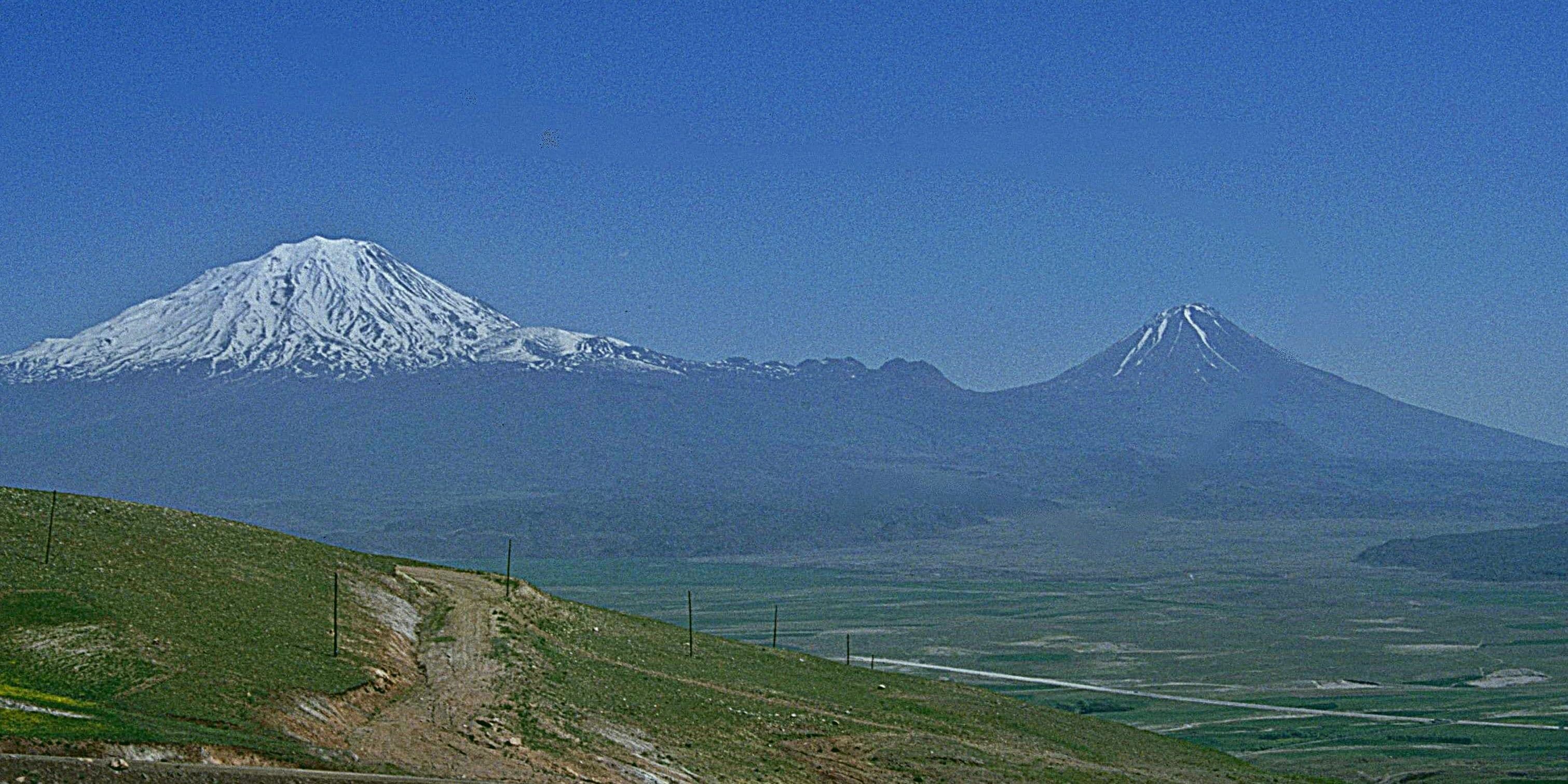
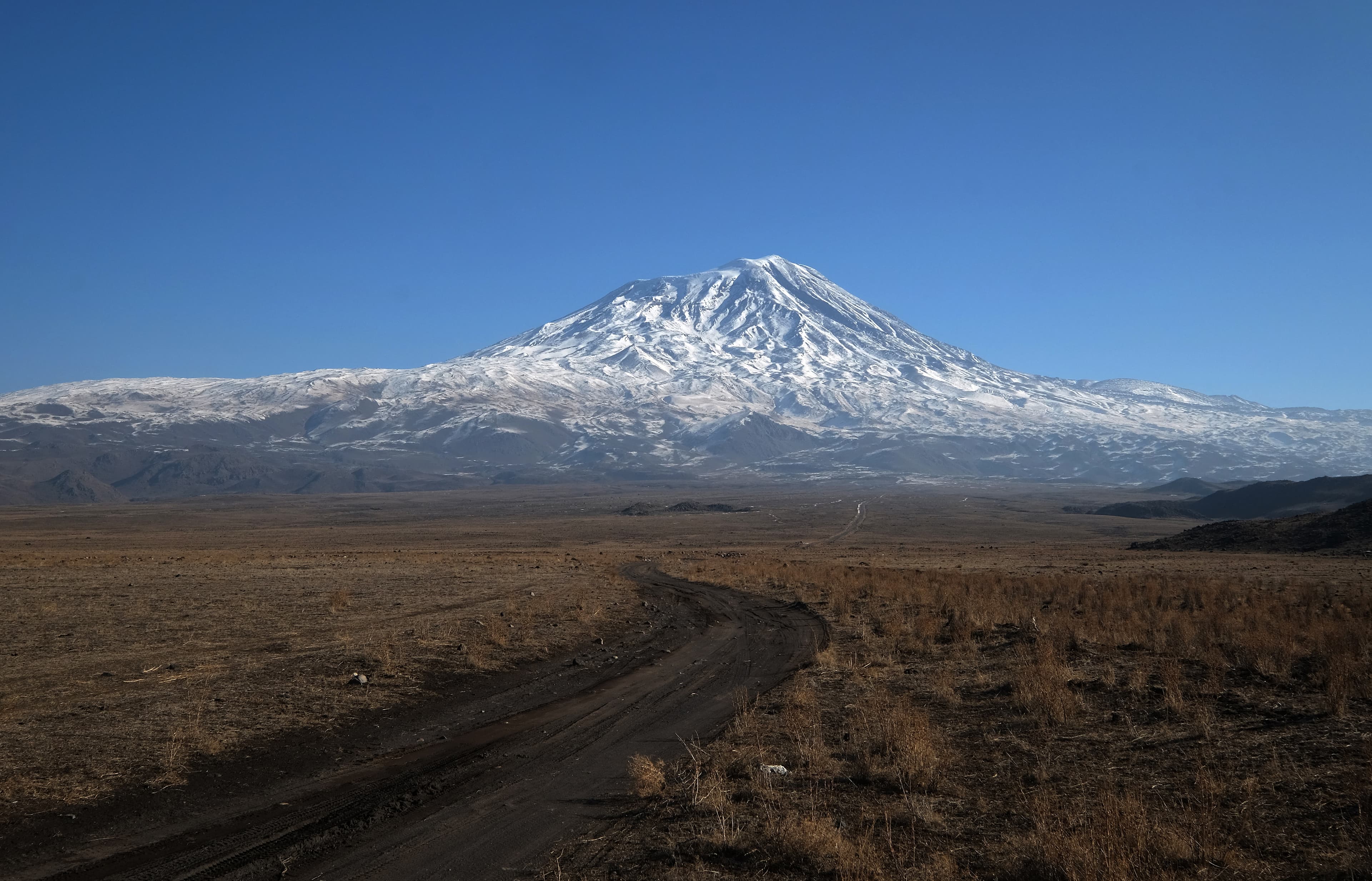
This view is the actual point of the trip for most people who make it to Doğubayazıt, whether or not they'd put it that way, so it's worth treating as a destination rather than a photo stop squeezed between the palace and dinner. The pull-off sits on the access road out of town, close enough that the mountain fills the frame rather than sitting on the horizon — and that closeness is exactly why the view is unreliable. Ararat makes its own weather. Cloud builds against the peak through the day more often than not, and a single afternoon drive-by has a real chance of showing you nothing but grey where a 5,137m summit should be. If the mountain actually matters to you, come back at dawn before the day's cloud has had time to form, and build a spare morning into the plan rather than treating this as a five-minute stop on the way to somewhere else. What you're looking at, when it clears, is two mountains sharing one massif: Büyük Ağrı, the true summit, and beside it Küçük Ağrı, a smaller, almost geometrically perfect cone that reads as an afterthought until you notice it's still taller than almost anything else in Türkiye. The pairing is why photographs of Ararat rarely look like photographs of a single peak — there's a second, smaller one holding the frame's edge, and it's part of the same story: both are named in the same restricted-zone law, climbed under the same permit regime, and visible from exactly the same spot you're standing in now, for free. That last point is worth sitting with. A four-to-five-day guided expedition and this ten-minute roadside stop end, for most practical purposes, at the same view — the summiteer's photo from 5,137m and yours from the valley floor are both of a mountain that dominates everything around it either way. This page doesn't pretend the climb and the view are equivalent experiences. But it also doesn't pretend most readers are choosing between them. They're choosing whether to stop the car.