Perre Ancient City
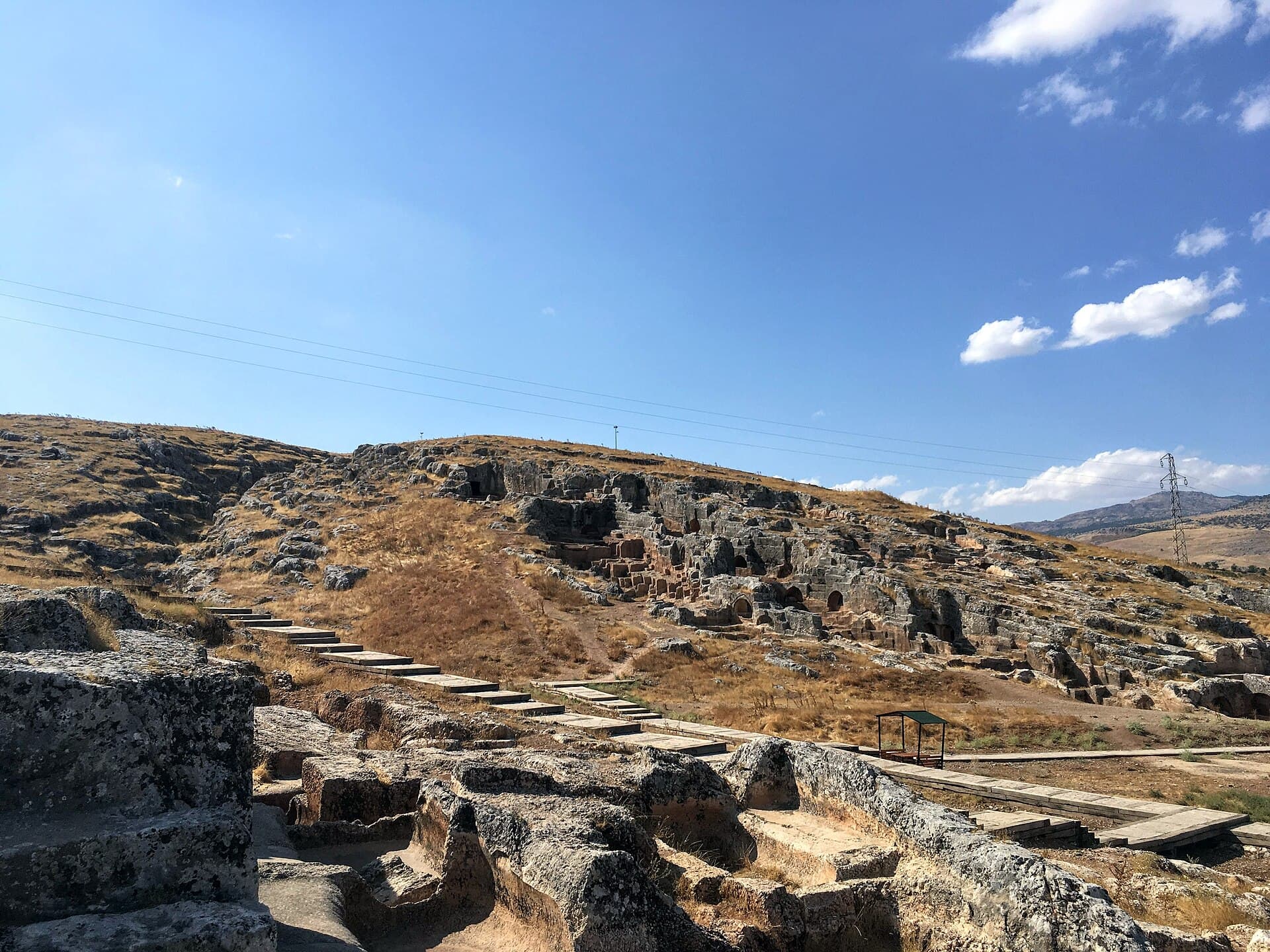
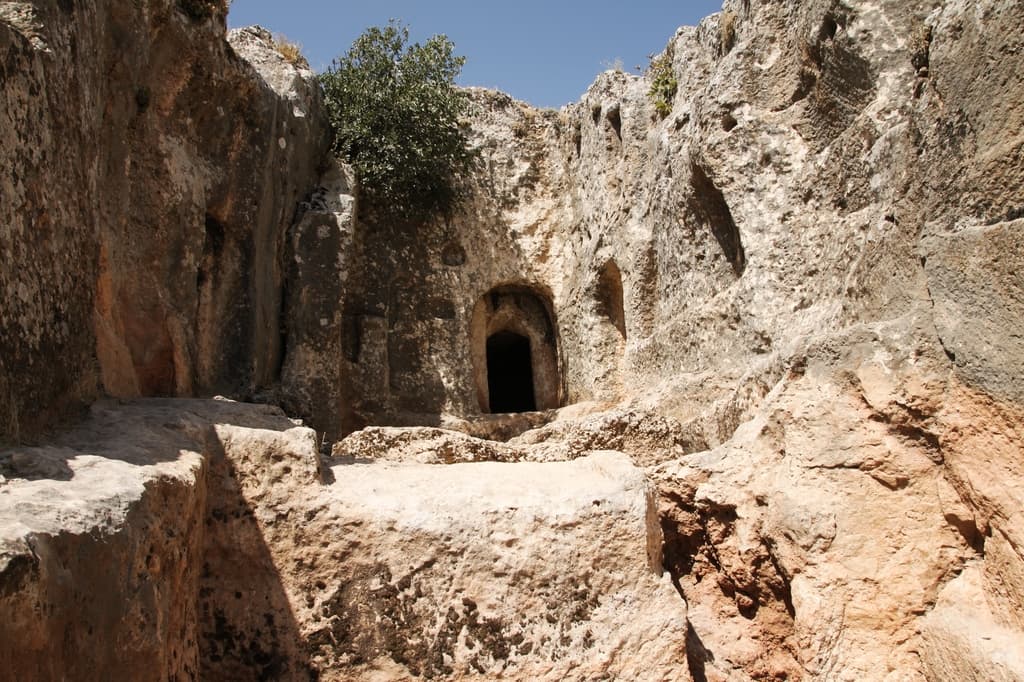
Over 200 rock-cut tombs carved into a former quarry face, undamaged by the 2023 earthquake and still being excavated.
Enough context, no spoilers
Why it matters
A core city of the Kingdom of Commagene, refounded under Antiochus IV as the Roman polis Antiochia ad Taurum. Scientific excavation began in 2020; the site came through the 2023 earthquake undamaged and excavation resumed within months.
What to know before you go
Perre doesn't get the recognition its scale deserves, partly because it sits in the shadow of Nemrut's fame and partly because serious excavation only began in 2020 - which makes it one of the more genuinely under-visited major ancient sites in this part of Türkiye. It was one of the core cities of the Kingdom of Commagene, alongside Samosata, Marash and Doliche, and was refounded under King Antiochus IV in the first century CE as the Roman polis Antiochia ad Taurum, an important staging post on the routes connecting Kahta, Samsat and Urfa. What makes the site immediately striking is its necropolis: more than 200 registered rock-cut tomb chambers, carved into the face of a former stone quarry and linked by cut passages, a scale of rock-tomb architecture that rivals better-known sites elsewhere in Anatolia without carrying their crowds. Beyond the tombs, excavated city walls and a Roman-era fountain that reportedly still flows today give a sense of Perre as a functioning city rather than only a burial ground. Excavation has continued in real seasons since 2020 - a third season ran in 2023 with a sixty-person team from the Adıyaman Museum Directorate and Adıyaman University - and Turkish sources are explicit that the site came through the February 2023 earthquake undamaged, its elevated, rocky terrain sparing it the structural collapse that devastated Adıyaman's city centre a few kilometres away. It sits inside the city limits, roughly five kilometres out, which makes it a realistic add-on to a city-based visit rather than requiring a separate trip to Kahta, and a museum card covers admission.