Cendere Bridge (Severan Bridge)
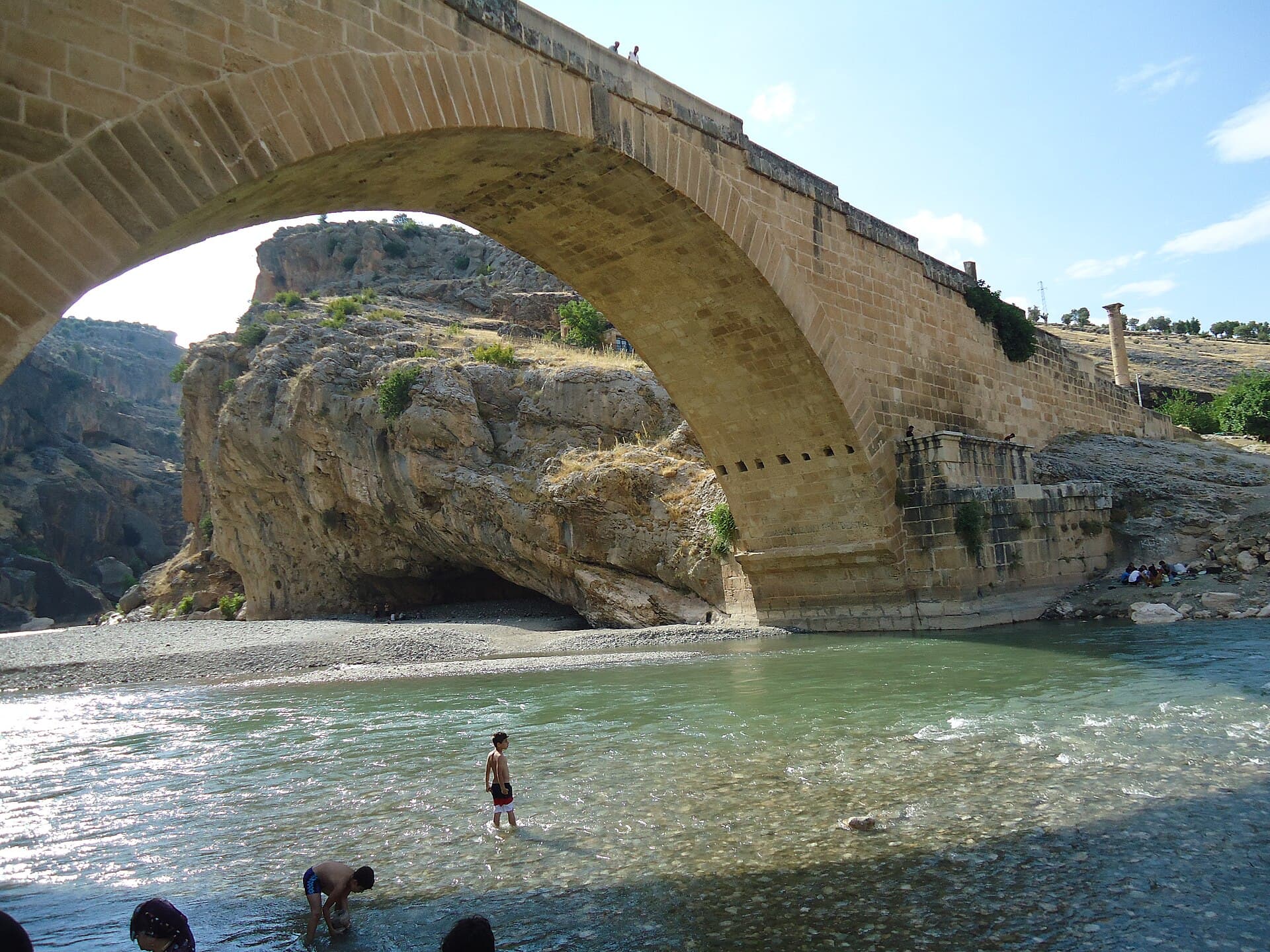
A Roman arch bridge from 203 CE that survived the 2023 earthquake untouched, still carrying traffic 1,800 years later.
Enough context, no spoilers
Why it matters
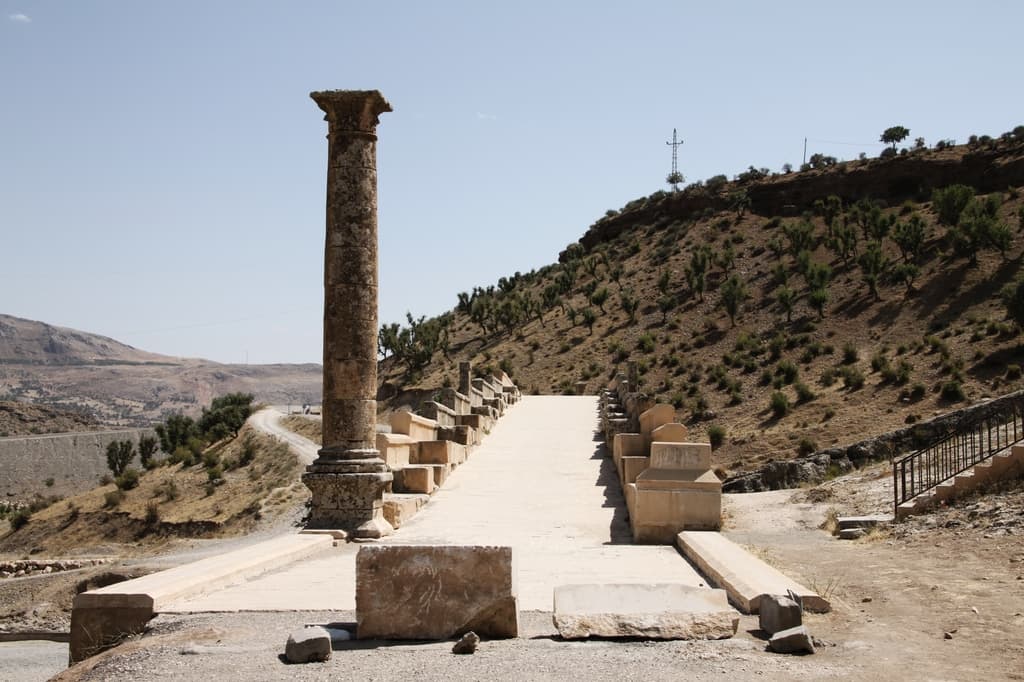
Built 203-204 CE by soldiers of the Roman Sixteenth Legion after Septimius Severus's Parthian campaign, funded by 'the four towns of Commagene.' Four dedicatory pillars originally carried statues of Severus, his wife Julia Domna, and sons Caracalla and Geta - only the Geta pillar's statue is missing, likely removed after his damnatio memoriae.
What to know before you go
The Cendere Bridge is a genuinely rare thing: a fully intact, still-functional Roman bridge nearly 1,800 years old, and one of the honest good-news stories in a province where that's not always available. It was built in 203-204 CE by soldiers of the Roman Sixteenth Legion Flavia Firma, shortly after Emperor Septimius Severus's Parthian campaign folded Mesopotamia into the empire and made a bridge over the Cendere (Chabinas) creek worth the investment - the inscription records it as funded by 'the four towns of Commagene,' a rare surviving trace of how the empire actually paid for provincial infrastructure. The design is a single monumental arch, unadorned and structurally direct: 120 metres long, 7 metres wide, spanning 34.2 metres, still carrying foot and light vehicle traffic today exactly as intended. Four dedicatory pillars stand at its approaches; two originally carried statues of Severus and his wife Julia Domna, and the other two their sons Caracalla and Geta - only Geta's statue is missing today, and the likely explanation is pointed rather than accidental: after Caracalla had his brother Geta murdered and struck from the historical record (a formal damnatio memoriae), monuments across the empire were quietly edited to match, and this pillar appears to be one of them. The bridge came through the February 2023 earthquake completely undamaged, confirmed by multiple independent sources - it's a free, open-air, unstaffed site on the Kahta-Sincik road, usually visited as a fifteen-to-twenty-minute stop on the way to or from Nemrut and Karakuş, rather than a destination in its own right.