Kadıköy
The Greeks who founded this shore in 685 BC were mocked as blind for missing the better harbour opposite, and visitors still overlook it.
Enough context, no spoilers
Why it matters
Megarian colonists founded Chalcedon here in 685 BC, seventeen years before Byzantium was established across the water; Herodotus records it being called the city of the blind for choosing the inferior site. Chalcedon gave its name to the church council of 451. Under Ottoman rule it became Kadıköy and grew into the commercial heart of the Asian side — markets and theatres, not palaces.
What to know before you go
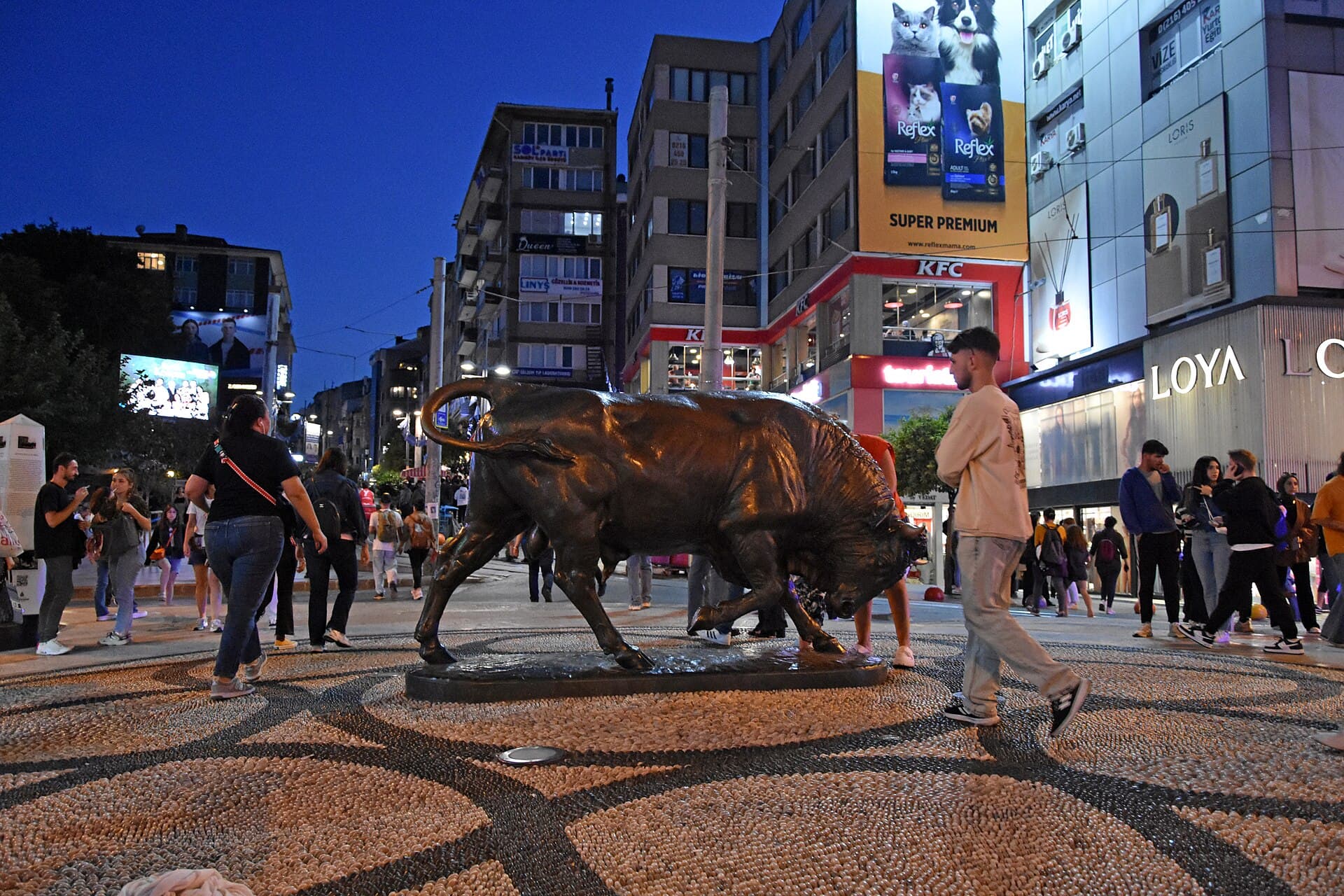
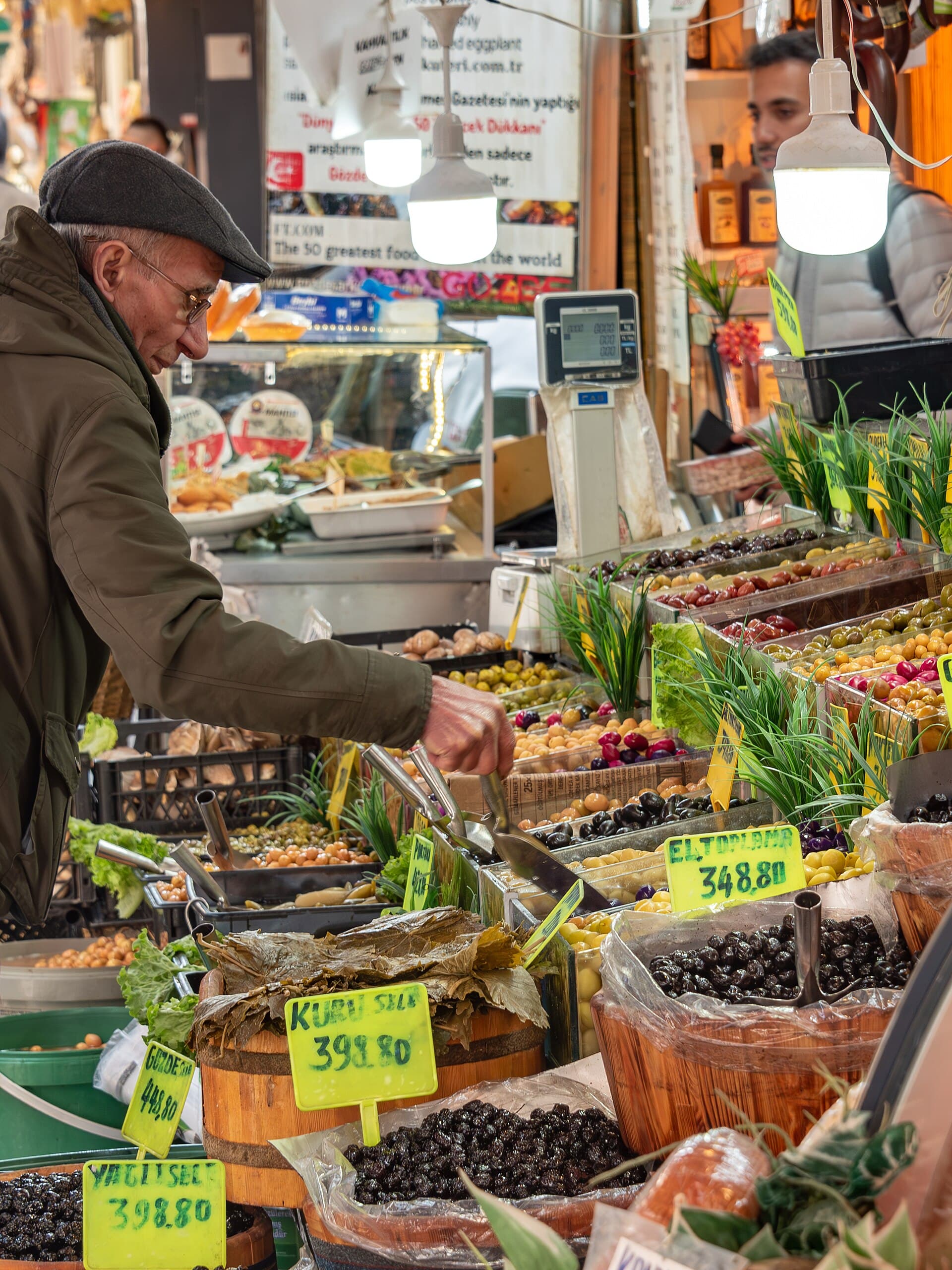
Arrive by ferry and orient on the bronze bull at Altıyol, the neighbourhood's standing meeting point. The reason to come is the çarşı, the tangle of pedestrian lanes just inland from the piers around Güneşlibahçe Sokak — an open-air daily market of fish, produce, cheese and spices aimed at people who live here, busiest late morning. From there Bahariye Caddesi runs uphill as a traffic-free promenade past bookshops and record stores, with the 1927 Süreyya Opera House halfway along and the T3 heritage tram clattering through. After dark the centre of gravity shifts to Kadife Sokak, universally called Barlar Sokağı. Mid-afternoon is the compromise arrival — the market is still trading and you roll into the evening; come in the morning if the market is the whole point.