Grand Bazaar
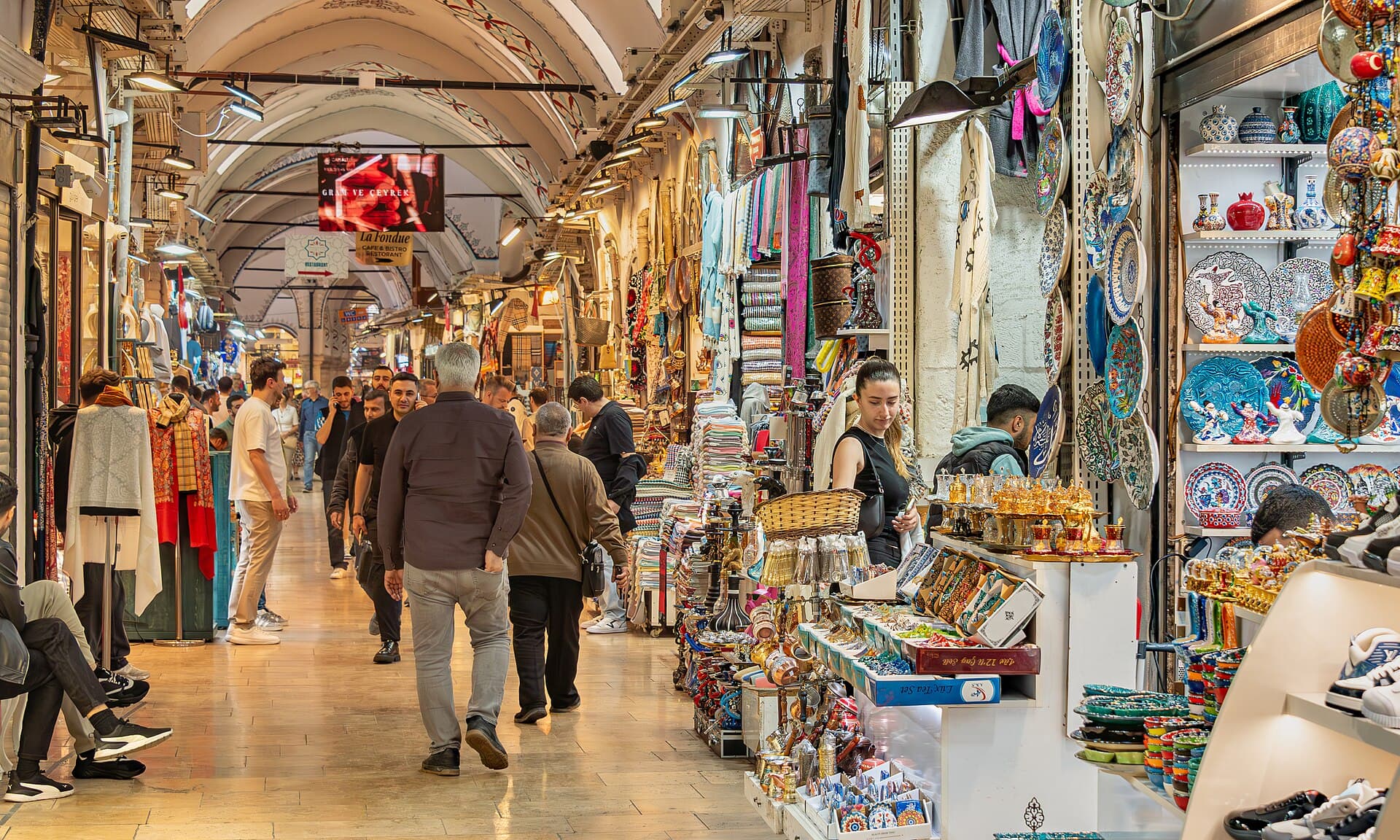
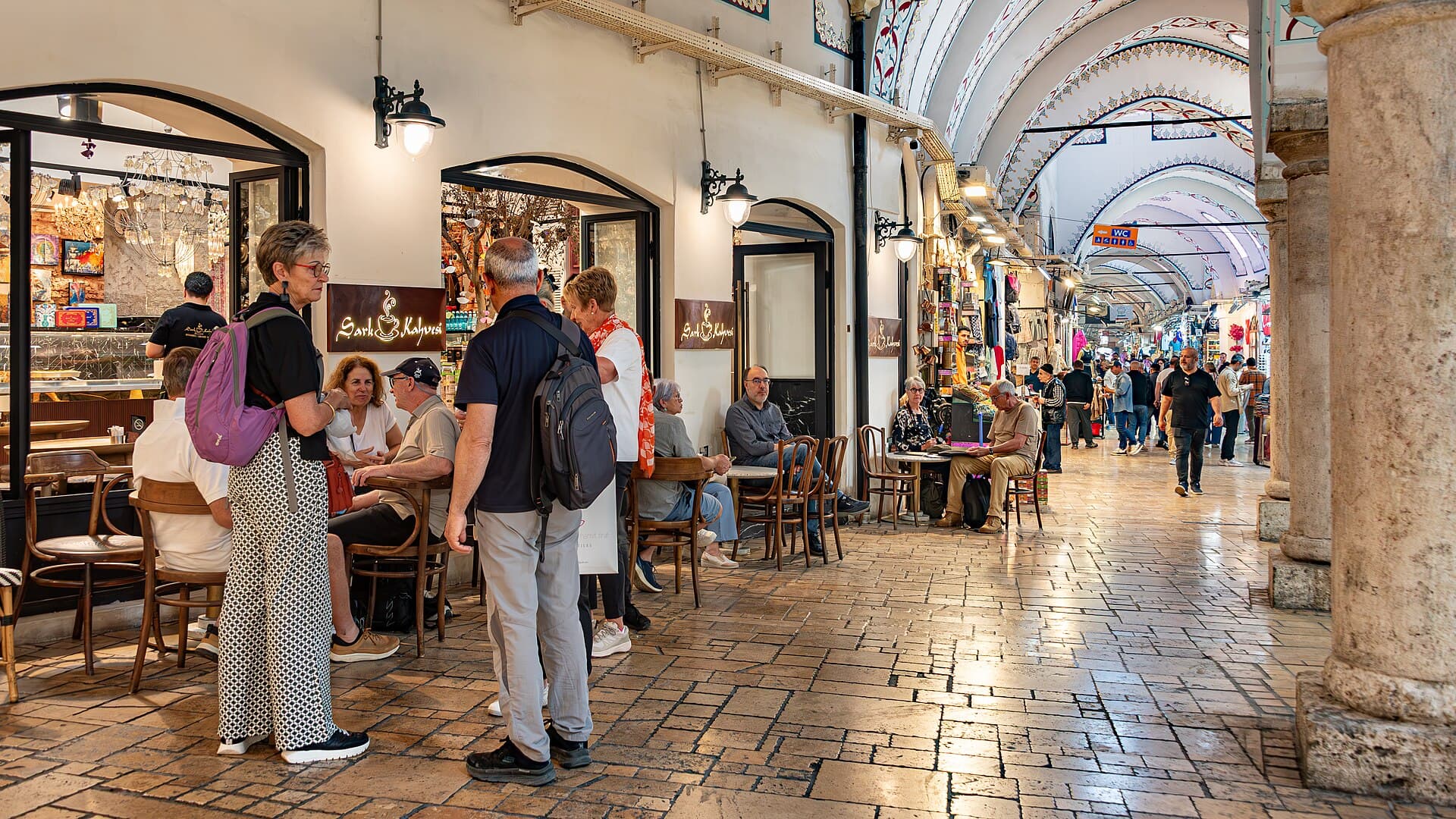
Get lost on purpose in sixty-one covered streets that have been trading continuously since the 1450s.
Enough context, no spoilers
Why it matters
Mehmed II ordered the first structure, the Inner Bedesten, in the winter of 1455/56, endowing its rents to Hagia Sophia. The market grew outward from that hall, and by the 17th century it had 67 streets, five mosques, seven fountains and 18 gates. It now covers some 30,700 square metres with more than 4,000 shops. The Inner Bedesten, where the most valuable goods were locked away, is still the jewellery quarter.
What to know before you go
Treat this as somewhere to walk rather than an errand, and give it an hour or two. Entering by the Nuruosmaniye Gate gives the grandest approach; head roughly west and you emerge at the Beyazıt Gate near the university, a short downhill walk from Süleymaniye. Hard bargaining is expected and opening prices are inflated as a matter of course, so treat the first number as an invitation rather than an offer. The critical planning fact is that the bazaar closes on Sundays, which catches a lot of people out — the Spice Bazaar down at Eminönü stays open and is the better Sunday substitute.