Dolmabahçe Palace
Tour the palace that cost a quarter of a year's tax revenue, and where the clocks in one room are still stopped at 9:05.
Enough context, no spoilers
Why it matters
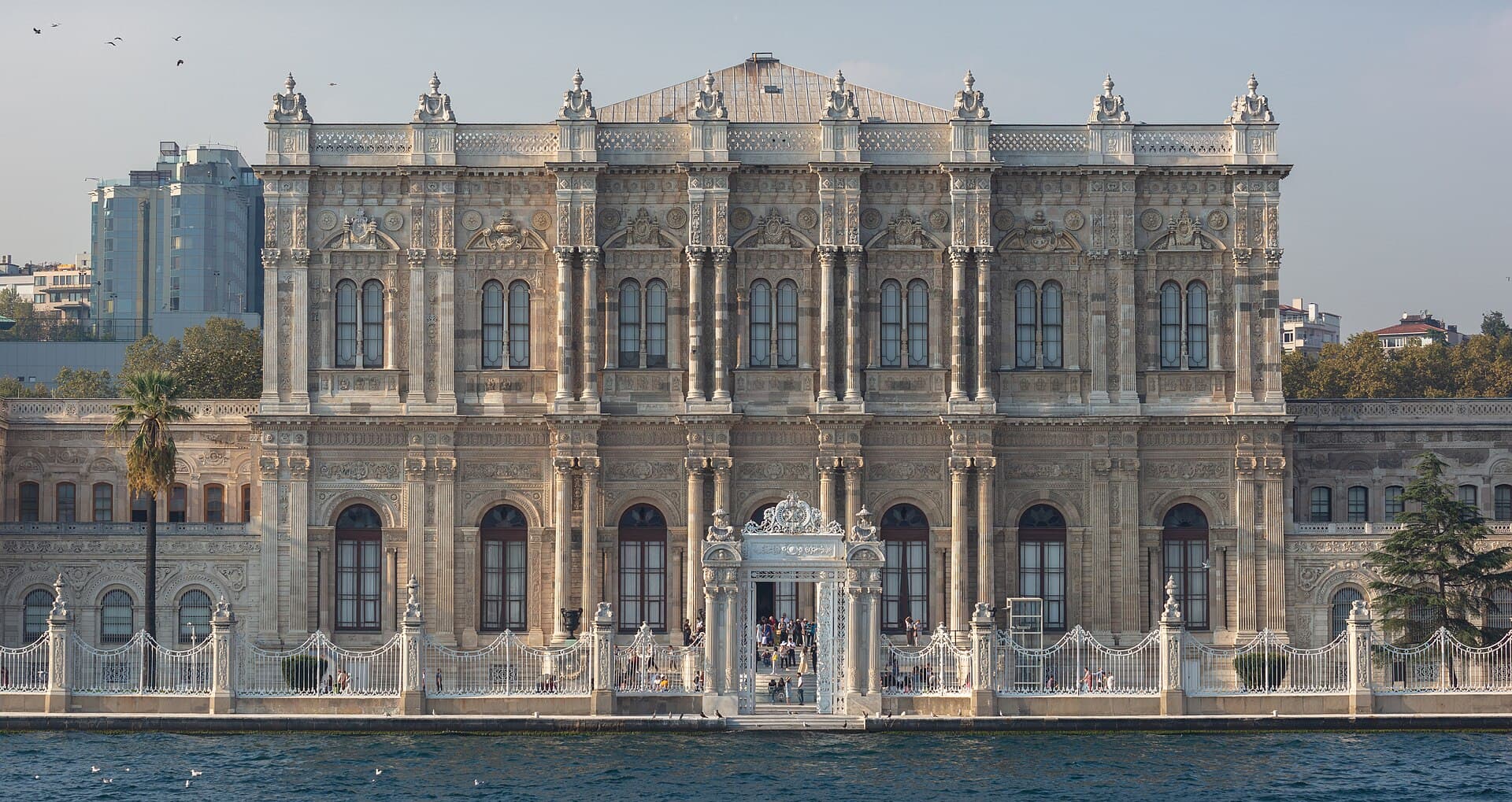
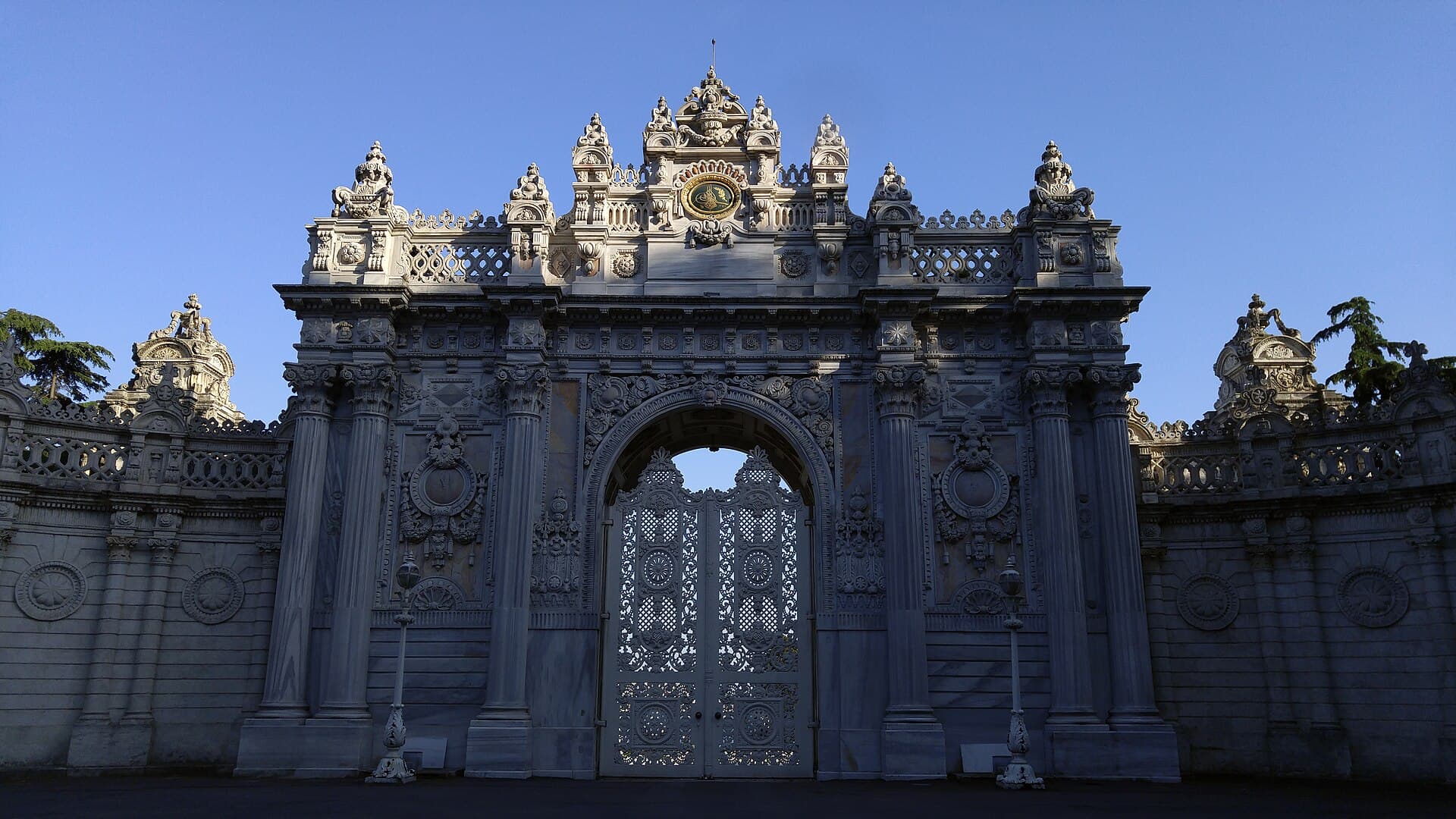
Built between 1843 and 1856 for Sultan Abdülmecid I by the architects Garabet and Nigoğayos Balyan, Dolmabahçe replaced Topkapı as the imperial residence. It cost roughly 35 tonnes of gold, a quarter of annual tax revenue, and fed the debt crisis that ended in default in 1875. It holds 285 rooms and 46 halls. Atatürk died here on 10 November 1938 at 9:05, and the clocks in that room are left at that time.
What to know before you go
Visits follow a fixed guided route rather than free wandering, so plan around two hours for the Selamlık state rooms, the Harem, and the Painting Museum in the Crown Prince's quarters — since January 2026 they are sold as a single combined ticket rather than separately. You move through both wings in staff-shepherded batches wearing plastic shoe covers, with narration by audio device. The palace closes on Mondays, and Tuesdays are the worst queues because they follow the closure. It sits on the water at Kabataş, so it combines naturally with a Bosphorus crossing, and both the tram and the funicular stop within a few minutes' walk. Note that it is run by the National Palaces administration rather than the Ministry's museum network, so the standard Turkish museum card does not work here.