Chora Mosque (Kariye)
One of the world's great Byzantine mosaic cycles, inside a mosque that reopened for prayer in 2024.
Enough context, no spoilers
Why it matters
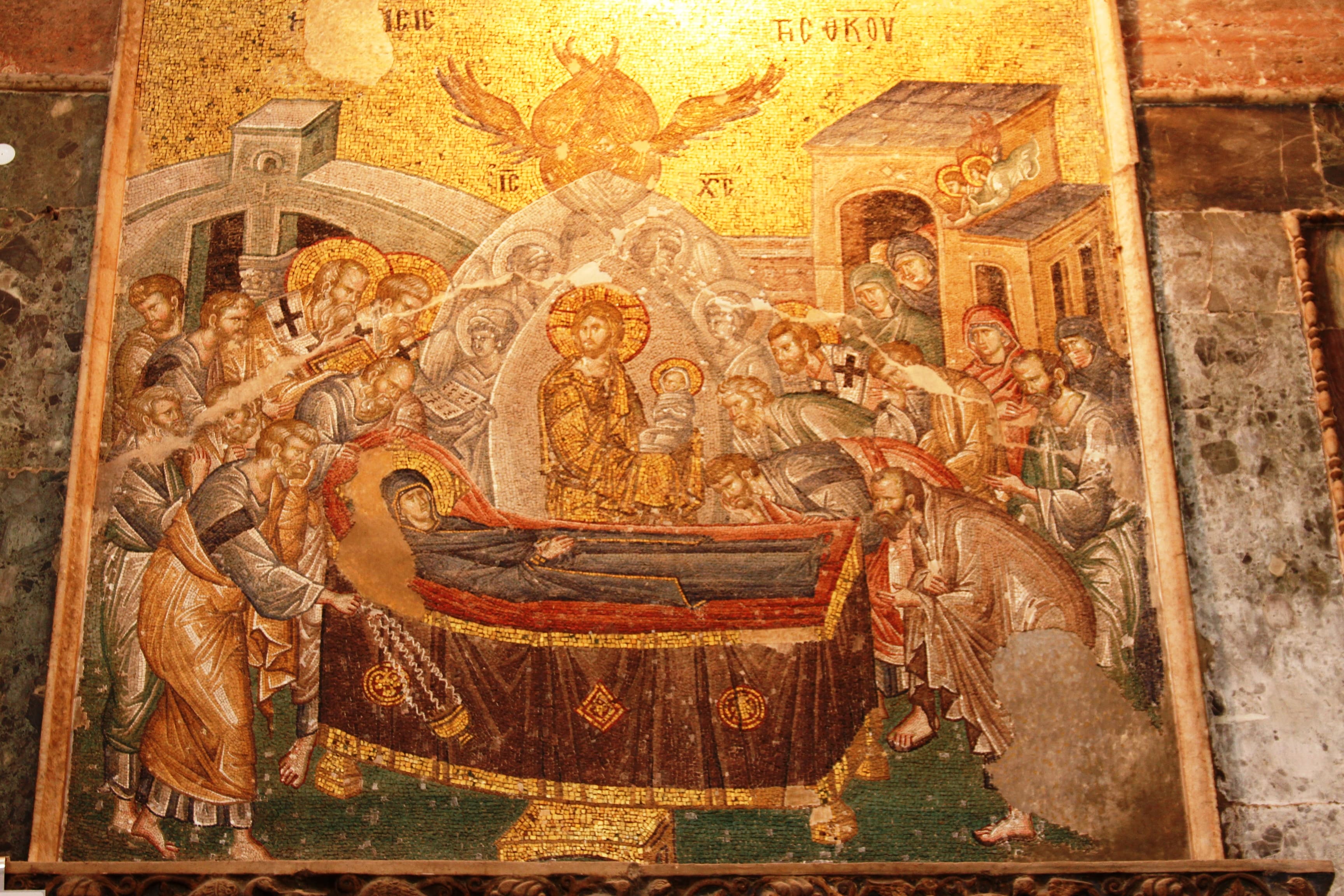
Built as a monastery church outside Constantinople's walls; rebuilt 1077–1081 and again after 1315 when statesman Theodore Metochites funded its famed mosaics and frescoes. Turned mosque around 1500, museum in 1958, and reconverted to an active mosque, Kariye Camii, opening for worship on 6 May 2024.
What to know before you go
Chora is no longer a museum. In 2024 it reopened as Kariye Camii, an active mosque, and the building now runs on prayer-time access rather than fixed museum hours. Visitors buy a paid ticket to see the mosaics and frescoes, but entry pauses roughly 15 minutes before each of the five daily prayers and stays closed to sightseeing until prayers finish; Fridays are commonly reported as closed to touristic visits altogether because of the weekly congregational prayer — treat Friday as unreliable for a visit.
Most of the famous mosaics are in the entrance halls and stay visible; during prayer times some panels near the prayer hall may be screened with curtains so the space can function as a mosque. The Anastasis fresco, in the separate side chapel, is typically viewable throughout.
Dress modestly — shoulders and knees covered, a headscarf for women — and shoes come off before stepping onto carpeted prayer areas. Because access now depends on the prayer schedule, build slack into a visit rather than timing it to the minute.