Vespasianus Titus Tunnel
A Roman rock-cut water tunnel near the coast, untouched by the 2023 earthquake and open exactly as it was before.
Enough context, no spoilers
Why it matters
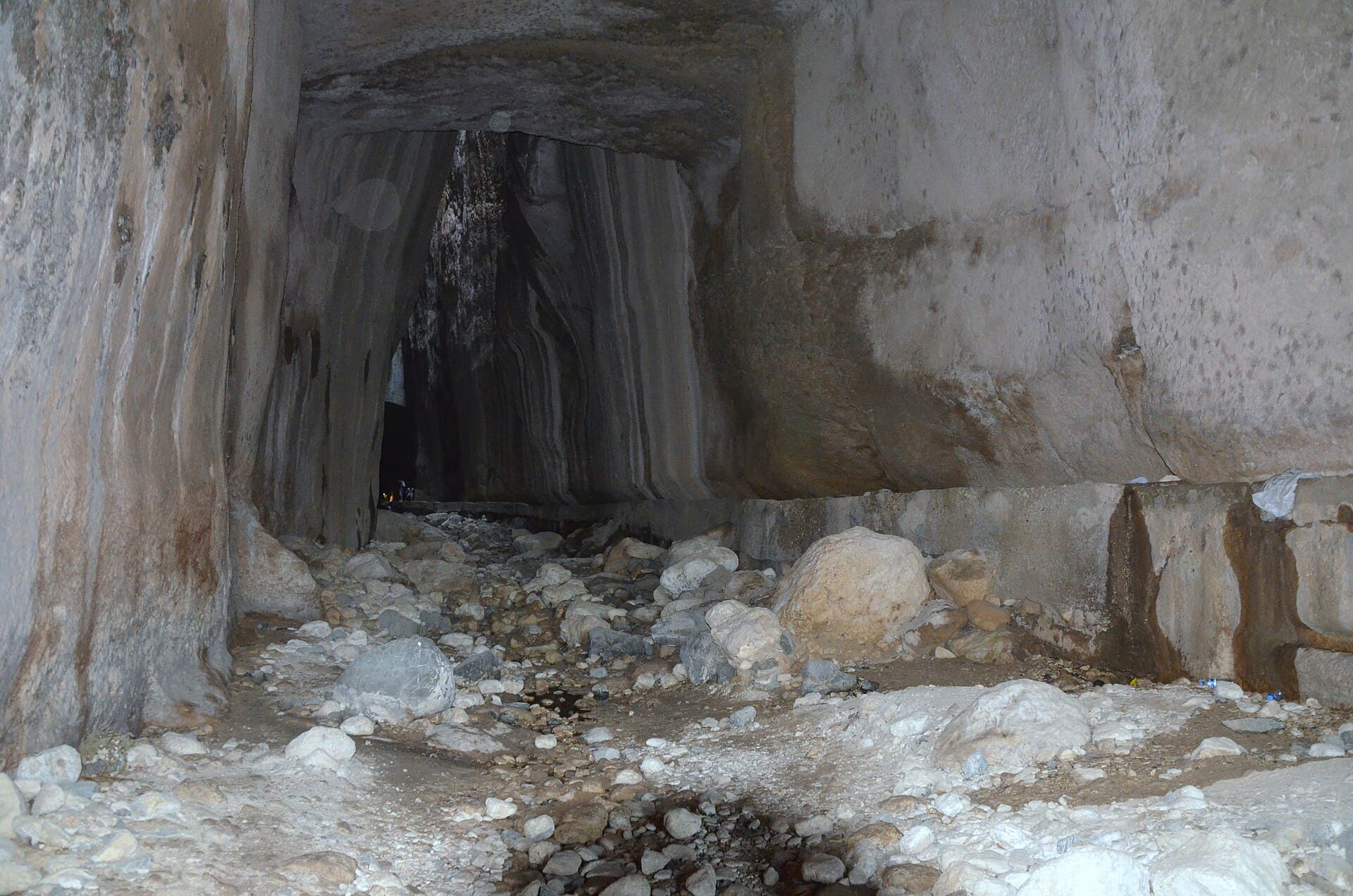
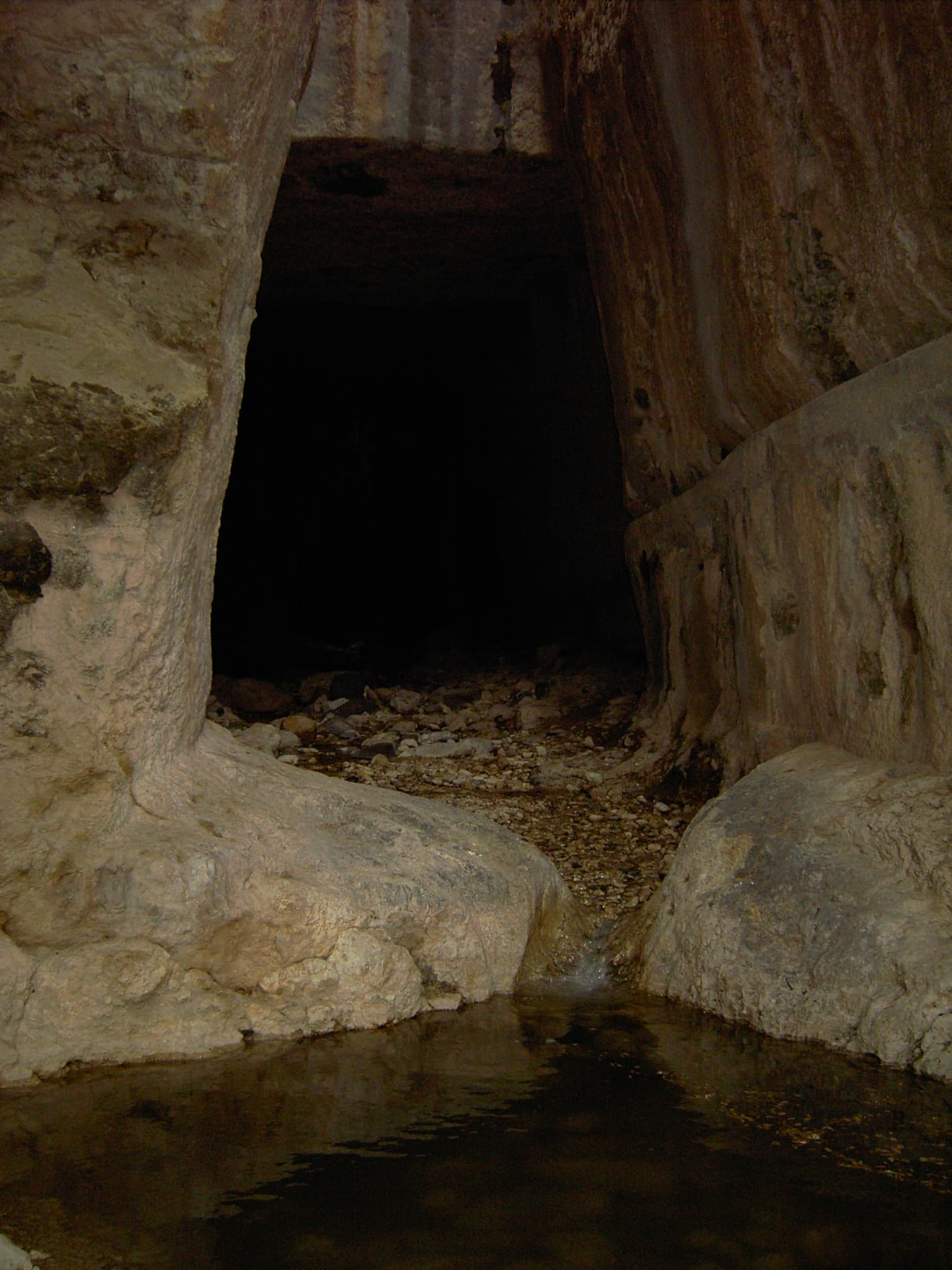
Built under Roman emperors Vespasian and Titus in the 1st century AD to divert a river and stop the harbour at Seleucia Pieria silting up, the tunnel is cut through rock for roughly 1,400m, about 900m open on a marked trail. Its coastal location outside dense Antakya spared it the structural damage the city centre suffered.
What to know before you go
Not every meaningful stop near Antakya sits inside the earthquake zone, and the Titus Tunnel is the clearest example: a Roman engineering project cut directly through solid rock on the coast near Samandağ, about 40km from central Antakya, structurally unaffected by the 2023 quake because it was never a building in the vulnerable, densely built sense - it's a channel carved into a hillside. The Romans built it under the emperors Vespasian and Titus in the 1st century AD to solve a real, specific engineering problem: the harbour at Seleucia Pieria, Antioch's Mediterranean port, kept silting up from a river running down off the mountain behind it, threatening the city's maritime trade. Rather than fight the river at the harbour, Roman engineers rerouted it entirely, cutting a diversion channel straight through the rock so the water reached the sea somewhere the silt wouldn't matter. The result is roughly 1,400 metres of tunnel and open channel, hand-cut through solid stone with tools that left visible marks still readable on the walls, of which about 900 metres is open today on a signed walking trail. Walking it gives a genuine sense of the labour involved - the channel is narrow and deliberate, not a natural cave, and the sections where it briefly opens back to daylight partway along make the scale of the excavated stretches either side feel larger by contrast. This was serious state infrastructure, not a minor local project: diverting a river through solid rock to protect a major Mediterranean harbour was the kind of undertaking only an empire with real engineering resources and manpower would commit to, and its survival nearly two thousand years later, largely intact and walkable, says something about how well it was built in the first place. Combine it with Çevlik's own quiet stretch of coast if you have a car and the time - the tunnel alone is a modest stop, but it's an honest, undamaged piece of Roman Antioch at a moment when so much of the city's other ancient and historic fabric is still a construction site.